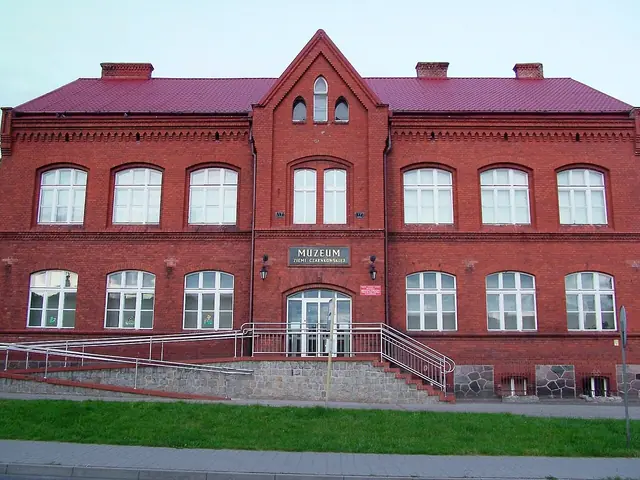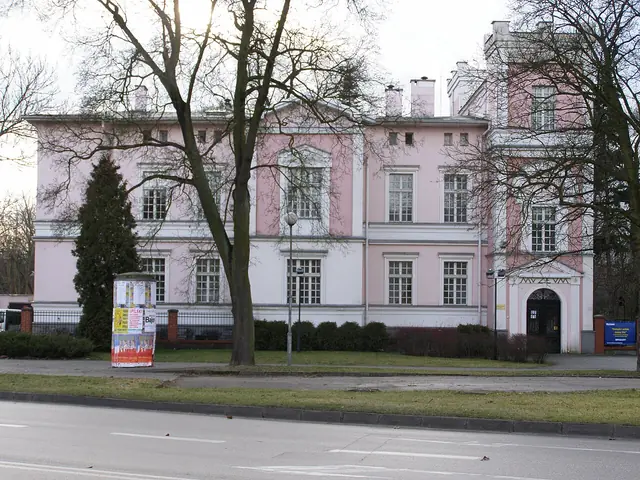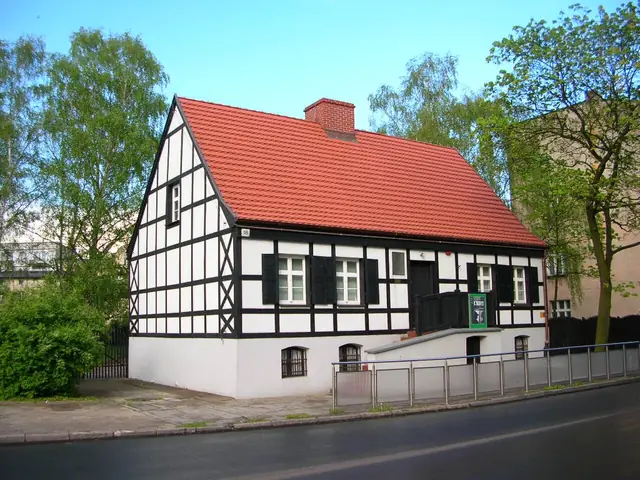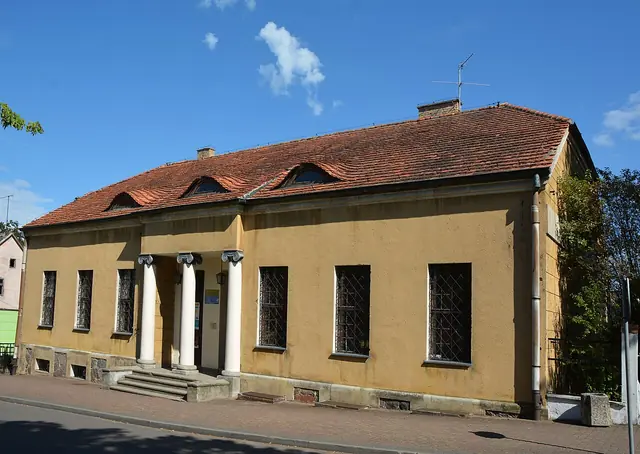
Muzeum Ziemi Nadnoteckiej im. Wiktora Stachowiaka w Trzciance
Regional museum in Trzcianka with exhibitions on the history of the town and the life of its former and new residents, plus archaeological and numismatic collections.
Have only individual sections read aloud
About the museum
The museum in Trzcianka was founded in 1924 on the initiative of the pastor and amateur archaeologist Richard Hessler, whose collection became the basis of the holdings. The pre-war institution was a German regional museum, operating under the care of the local regional research society. It was first housed in an evangelical school, and from the mid-1930s in the attic of the municipal gymnasium hall. After the Second World War the collections were devastated and scattered.
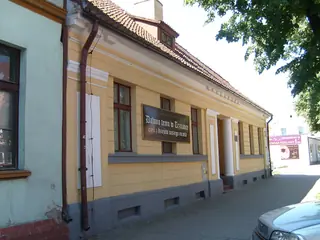
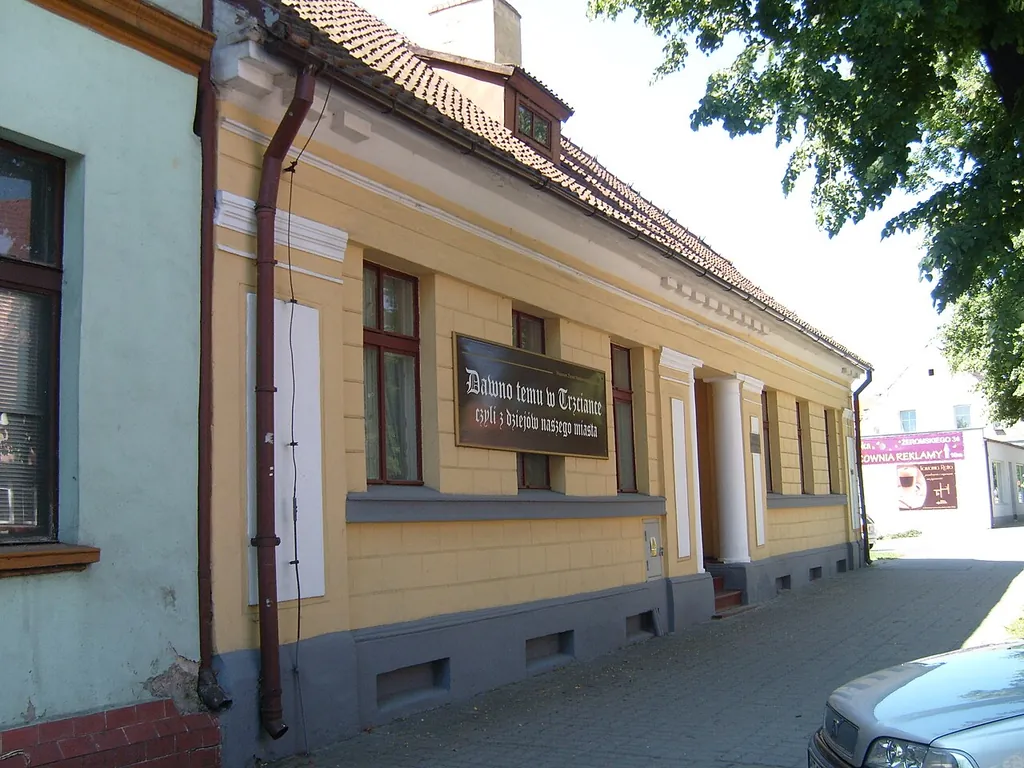
In 1958 a Muzeum Regionalne was established, which changed its premises several times: the town hall, the court building and a tenement house at ul. Mochnackiego. Since 1973 it has been at ul. Żeromskiego, and since 1999 it has also used a second building on this street. Since 1996 the institution has borne the name of Wiktor Stachowiak, a textile conservator and the first head of the museum, who after the war recovered scattered exhibits and gathered documents on the history of Trzcianka and the region.
The collections are now divided into departments: archaeology, history, ethnography, numismatics, art and artistic crafts, and education. The museum publishes the “Kronika Ziemi Trzcianeckiej” (Chronicle of the Trzcianka Land), and organises temporary exhibitions, museum lessons and educational events.
Highlights
- Exhibition “Dawno temu w Trzciance” (Long Ago in Trzcianka), with a model of the market square from the 1930s
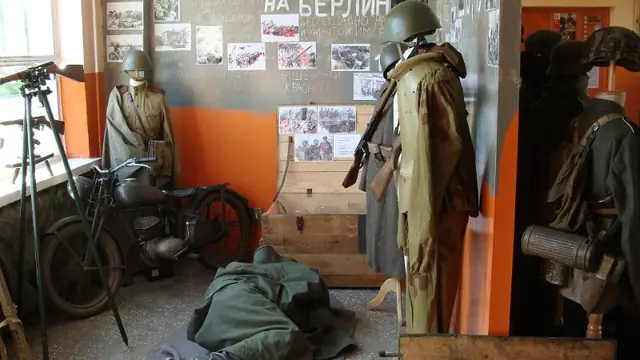
- Arranged confectioner’s, kitchen and carpenter’s workshop in the exhibition “Jedna ziemia, wiele opowieści” (One Land, Many Stories)
- Old postcards in the exhibition “Spacer ulicami miasta” (A Walk Through the Streets of the Town)
- Numismatic department and archaeological collections
Permanent exhibitions
- Dawno temu w Trzciance – The history of Trzcianka and its surroundings from prehistory to the 1990s, in four zones, with a model of the market square from the 1930s.
- Jedna ziemia, wiele opowieści – The material culture of former German residents and of Poles who arrived after 1945; an arranged confectioner’s, kitchen and carpenter’s workshop.
- Spacer ulicami miasta – Trzcianka in the first half of the twentieth century, shown on reproductions of old postcards, with buildings destroyed in 1945 and those that survived.
- Founded
- 1924
- Operated by
- Miasto i Gmina Trzcianka
Admission & discounts
| Adults | 10 zł |
|---|---|
| Reduced | 5 złpupils, students, doctoral students, teachers, people over 65, pensioners, people receiving disability pensions, people with disabilities and their carers, veterans, holders of the Karta Dużej Rodziny, the Trzcianecka Karta Seniora and the European Youth Card EURO<26 |
| Children & teens | freefree up to age 6 · Children up to the age of 7 enter free of charge; children up to the age of 10 may visit only in the company of adults. |
| Groups (10+ people) | 4 zł per personGroup ticket for organised groups. |
Free admission: On Saturdays admission to the permanent exhibitions is free.
Free admission to the permanent exhibitions is also granted to, among others, museum staff, members of ICOM and ICOMOS, holders of the Karta Polaka and veterans. Prices for temporary exhibitions, workshops and museum lessons may differ; in justified cases the museum charges a fee for Saturday visits to temporary exhibitions.
Accessibility
- Wheelchair accessible: no information
- Elevator: no information
- Accessible restroom: no information
- Accessible parking: no information
- Service dogs welcome
- Tactile models & exhibits: no information
- Sign language tours: no information
- Easy-to-read materials: no information
- Audio description: no information
Kids & families
The museum hasn’t published any information on this.
Getting there & parking
The museum hasn’t published any information on this.
Amenities & dining
- Coat check
Outer garments, large bags, backpacks and umbrellas must be left in the cloakroom.
Events & venue rental
The museum hasn’t published any information on this.
Plan your visit
| School programs | yes |
|---|---|
| Photography | Photography and filming are allowed for private use only; photos with a flash, with a tripod or for commercial purposes require the consent of the management. |
| Good to know | Organised groups should report their visit by telephone in advance (tel. +48 67 216 24 46). The museum runs museum lessons. Animals may not be brought into the museum, except assistance dogs. |