Centro de Interpretación de la Alfarería Tinajera (CIAT)
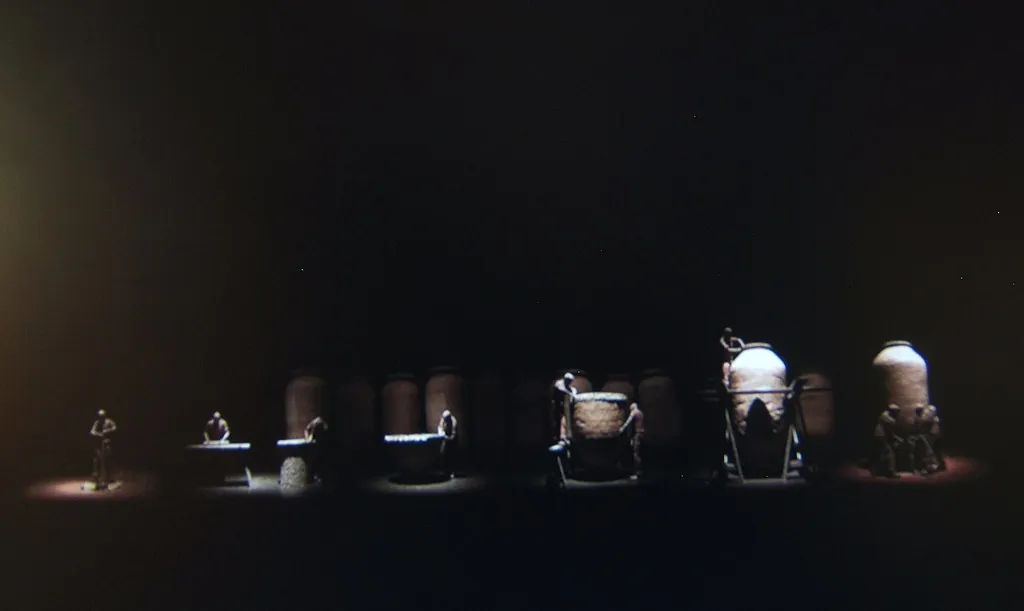
Restored former jar pottery and jar kiln in Villarrobledo, explaining how giant jars were made, with the obrador (workshop), olla (underground firebox) and kiln.
Have only individual sections read aloud
About the museum
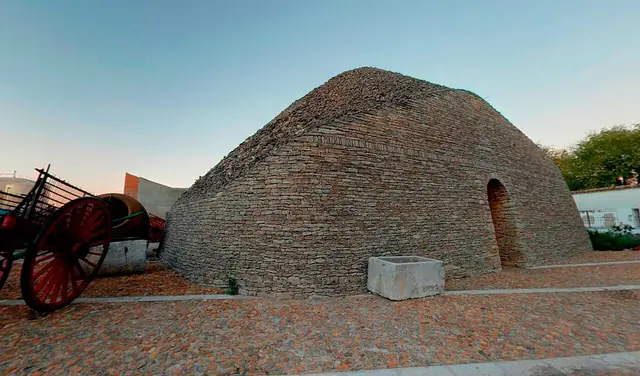
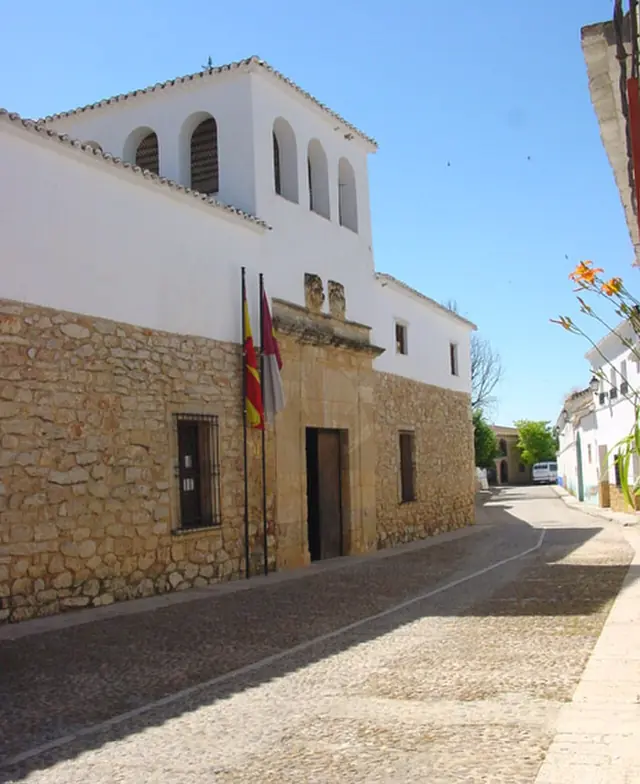
The Centro de Interpretación de la Alfarería Tinajera (Interpretation Centre for Jar Pottery) occupies a pottery workshop and a jar kiln that have been restored to their original model in the tinajero quarter of Villarrobledo, where workshops were concentrated close to the clay deposits. Jar pottery is a popular, utilitarian craft of medieval origin. Before the 16th century the town had a few pottery families making household vessels; from that century onwards the activity focused on jars. In the 18th century the jar makers' guild had quality inspectors and, in the second half of the 19th century, an industry with 72 kilns in operation produced thousands of jars a year by hand.
The visit follows the process of making a jar and explains how the largest in the world were made, over four metres tall and weighing around 2,500 kilos, with capacities of between 500 and 700 arrobas (traditional Spanish units of volume). The route passes through four spaces: the patio, where the process begins and ends; the obrador, where the potter shapes the piece by hand; the olla, the underground combustion chamber that generates the heat; and the kiln, where the jar is fired. The visit is direct and participatory and explains the physical and chemical phenomena of firing.
Highlights
- Obrador where the potter shapes the jar by hand
- Olla, the underground combustion chamber of the kiln
- Jar kiln restored to the original model
- Jars over 4 metres tall and weighing 2,500 kilos
- Guided visit covering the whole production process
Permanent exhibition
- El proceso de elaboración de la tinaja – Route through the patio, the obrador, the olla and the kiln of a restored jar pottery.
- Founded
- 2008
Admission & discounts
The museum hasn’t published any information on this.
Accessibility
- Partially wheelchair accessible
- Elevator: no information
- Accessible restroom: no information
- Accessible parking: no information
- Service dogs welcome: no information
- Tactile models & exhibits: no information
- Sign language tours: no information
- Easy-to-read materials: no information
- Audio description: no information
All spaces are accessible for people with reduced mobility, except the olla, which cannot be adapted as it is an original space. The centre has toilets and a small information and reception point.
Kids & families
The museum hasn’t published any information on this.
Getting there & parking
The museum hasn’t published any information on this.
Amenities & dining
The museum hasn’t published any information on this.
Events & venue rental
The museum hasn’t published any information on this.
Plan your visit
| Guided tours | yes |
|---|---|
| Good to know | Guided visits are booked several days in advance by telephone, by email or with the form on the website. The route follows the production process: patio, obrador, olla, kiln and back to the patio. The landline is that of the Villarrobledo Tourist Office; the centre can also be reached on the mobile phones +34 637 823 328 and +34 661 480 516. |