Museo de Zamora
Provincial museum of archaeology and fine arts in the Palacio del Cordón in Zamora, with free admission at weekends.
Have only individual sections read aloud
About the museum
Like most provincial museums, the Museo de Zamora was created in the wake of the 19th-century ecclesiastical disentailment, and its first holdings were paintings from the suppressed monasteries of the province. Symbolically inaugurated by Alfonso XII in 1877, it did not open effectively until 1911, in the church of the Las Marinas convent. The demolition of that convent in 1975 forced the collections to be stored in the church of the Hospital de la Encarnación.
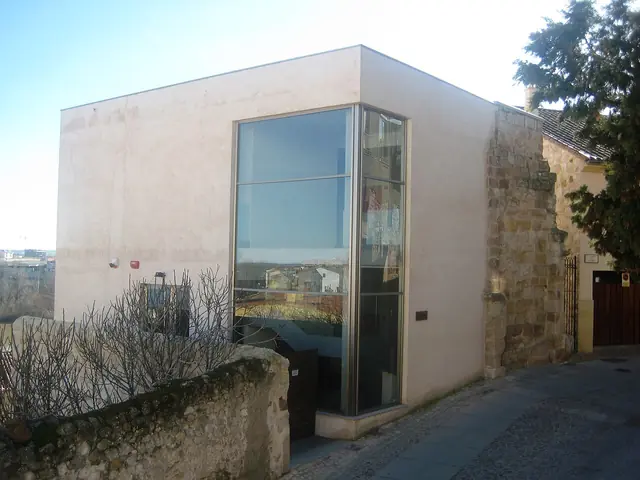
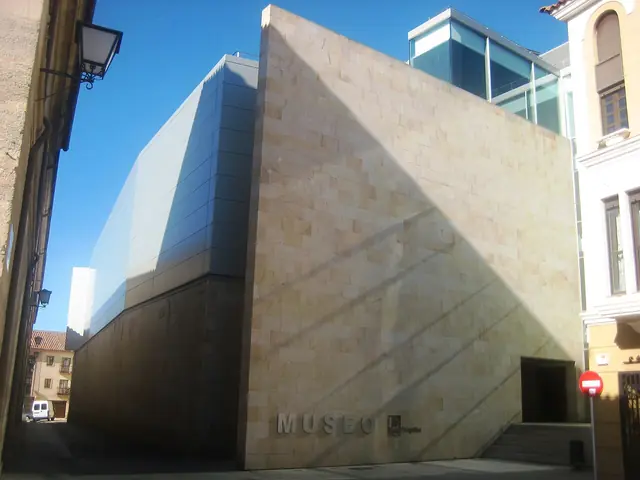
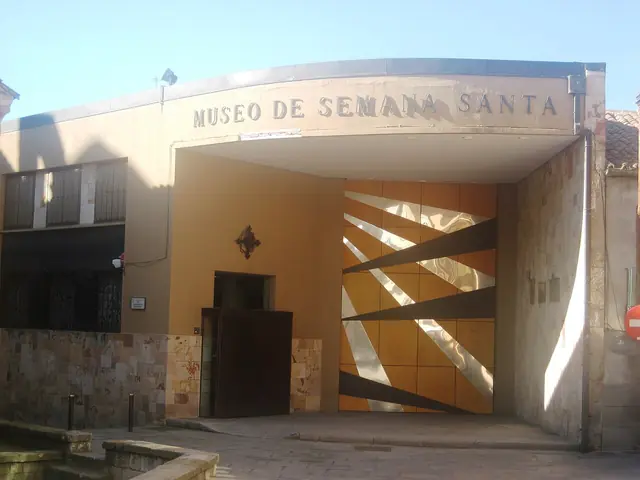
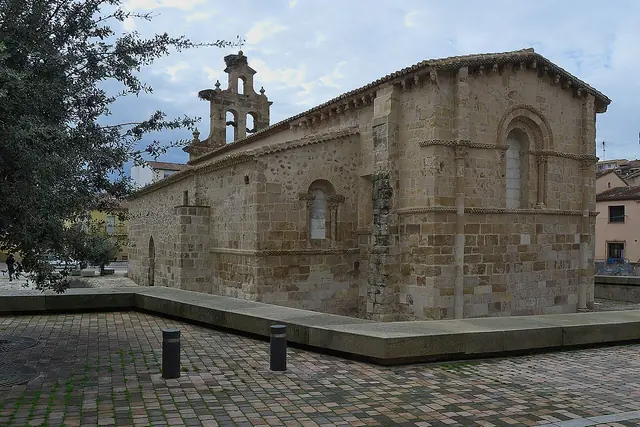
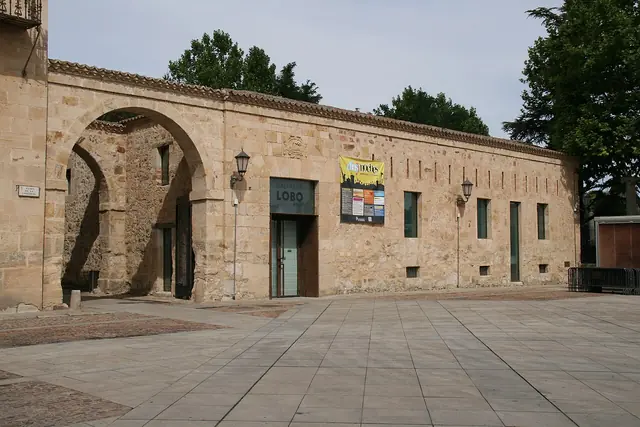
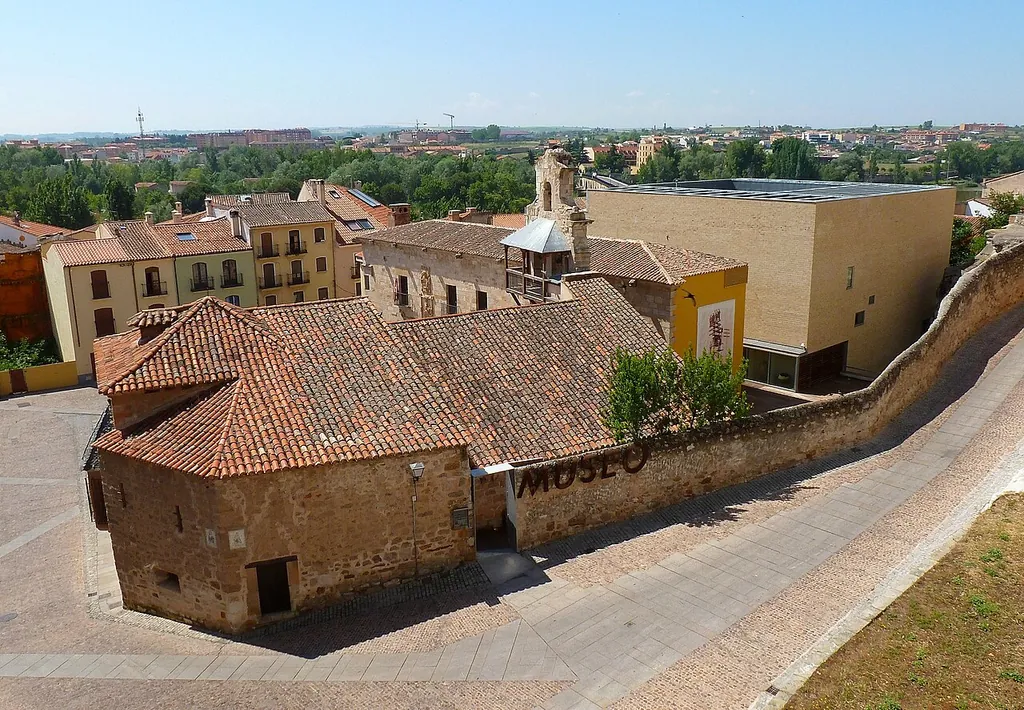
In the early 1980s the Palacio del Cordón was chosen as the permanent home, and after a long process of works the museum was completed in 1998 under the management of the Junta de Castilla y León. The palace, dating from the early 16th century, keeps its doorway framed by the Franciscan cord (cordón) that gives it its name. Behind it a cube-shaped building by the architects Tuñón and Mansilla was added, housing the permanent galleries. The nearby church of Santa Lucía, of Romanesque origin, serves as a store that can be visited.
The museum has two sections. Archaeology traces the history of the province from the Palaeolithic to the Early Modern period, and Fine Arts brings together painting and sculpture from the 14th to the 20th centuries. One room is devoted to the historical development of the city of Zamora itself.
Highlights
- Bell Beaker grave goods from Villabuena del Puente
- Celtiberian treasures from the hill fort (castro) of Arrabalde
- Visigothic hoard from Villafáfila, with three gold-foil crosses
- Mosaics and wall paintings from the Roman villa of Santa Cristina de la Polvorosa
- Hispano-Flemish panel of the Descent from the Cross
Permanent exhibitions
- Arqueología – Tour of the province's history from the Palaeolithic to the Early Modern period, with grave goods, Celtiberian treasures, epigraphy, Roman mosaics and Visigothic pieces.
- Bellas Artes – Sculpture and painting from the 14th to the 20th centuries, with Gothic, Hispano-Flemish and Renaissance panels.
- Founded
- 1911
- Operated by
- Junta de Castilla y León
Admission & discounts
| Adults | €1 |
|---|---|
| Children & teens | freefree up to age 17 · Minors: free admission (EU citizens, with an accrediting document). |
| Seniors | freeFree admission for people over 65 and retired people. |
| Visitors with disabilities | freecompanion free · Free admission with a degree of disability of at least 33%, and for a companion if essential. |
| Students & apprentices | freeFree admission for university students. |
| Families | –Free admission for large families, single-parent families and families with multiple births or simultaneous adoptions. |
Free admission: Saturdays, Sundays and national or regional public holidays, and 23 April, 9 May, 18 May, 12 October and 6 December
Price of the permanent exhibition. Entry is also free for unemployed people, holders of the Carné Joven and the Carné 60 CyL, Friends of the museum, tour guides and teaching staff, among others. The visit to the church of Santa Lucía is free.
Accessibility
- Wheelchair accessible: no information
- Elevator: no information
- Accessible restroom: no information
- Accessible parking: no information
- Service dogs welcome: no information
- Tactile models & exhibits: no information
- Sign language tours: no information
- Easy-to-read materials: no information
- Audio description: no information
The two floors of the permanent exhibition are connected by ramps.
Kids & families
The museum hasn’t published any information on this.
Getting there & parking
The museum hasn’t published any information on this.
Amenities & dining
The museum hasn’t published any information on this.
Events & venue rental
The museum hasn’t published any information on this.
Plan your visit
| Guided tours | yes |
|---|---|
| Good to know | On the first weekend of each month there is a free guided visit: on Saturdays at 17:30 and on Sundays at 12:30. |