Museo del Monasterio de San Joaquín y Santa Ana
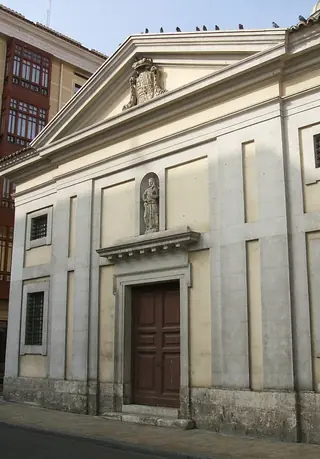
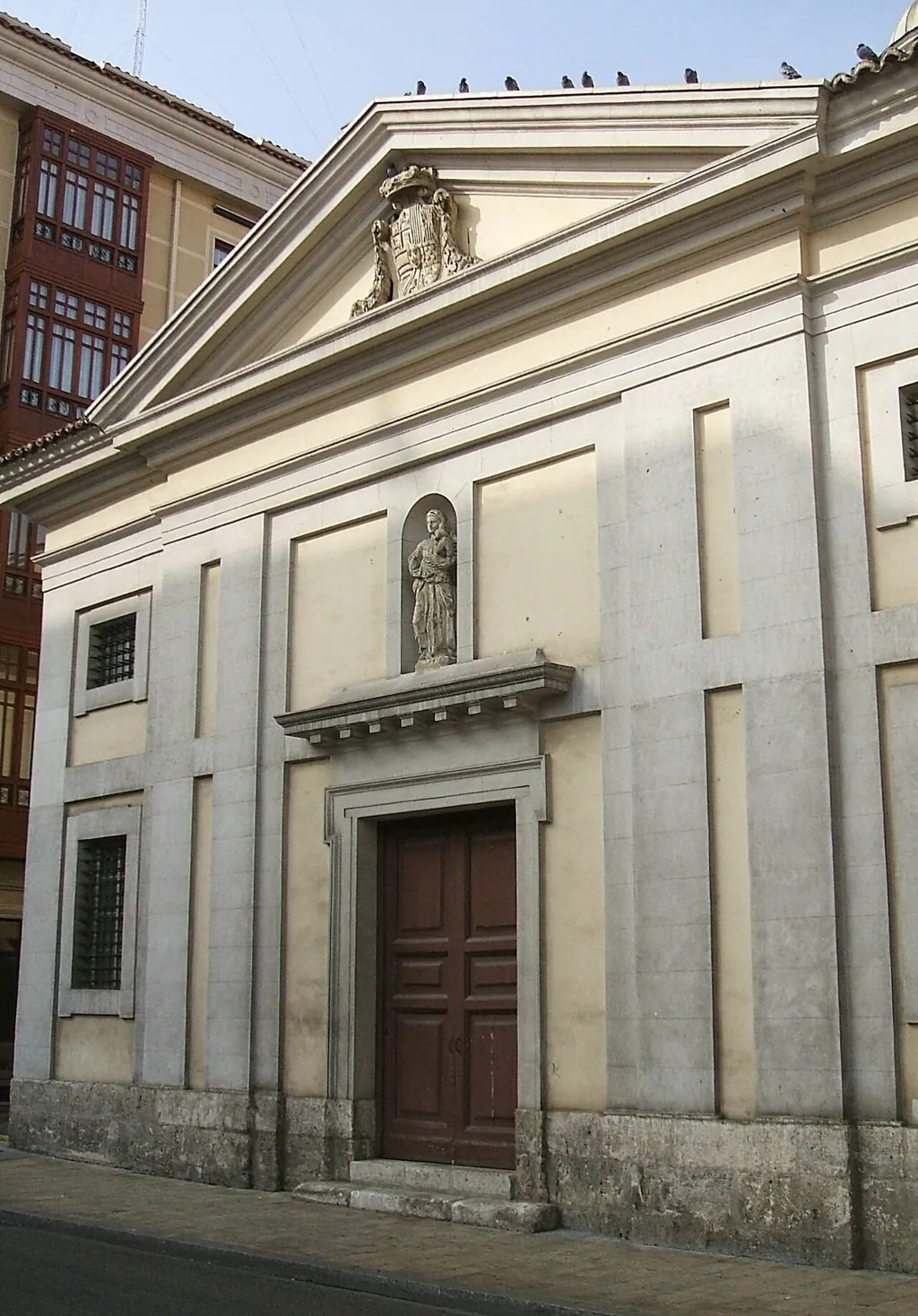
Museum in the neoclassical monastery of the Bernardine nuns, designed by Sabatini, with three canvases by Goya and three by Bayeu.
Have only individual sections read aloud
About the museum
The Real Monasterio de San Joaquín y Santa Ana has its origin in a Cistercian foundation of 1198 in Perales (Palencia), which moved to Valladolid in 1595 by order of Philip II. The community settled in houses near the parish of San Lorenzo, which the architect Francisco de Praves adapted, and adopted its present name.
In 1777 the building was in danger of collapse and Charles III commissioned the reconstruction project from Francesco Sabatini. The new monastery, in a sober neoclassical style with Herrerian influence, has a church with an elliptical plan and a dome of the same shape. The nuns moved into it in November 1787. For the church, Francisco de Goya and Ramón Bayeu painted six canvases, three each.
The museum displays these altarpieces together with painting, sculpture, architecture, embroidery, objects of monastic life and Holy Week pieces, among them a Baroque recumbent Christ attributed to Gregorio Fernández. The church opens to the public during Holy Week and hosts classical music concerts throughout the year.
Highlights
- Three canvases by Goya: “Santa Ludgarda”, “La muerte de San José” and “Los santos Bernardo y Roberto”
- Three canvases by Ramón Bayeu in the Neoclassical altarpieces
- Baroque recumbent Christ attributed to Gregorio Fernández
- Elliptical church designed by Francesco Sabatini
- Sections on embroidery, monastic life and Holy Week
Permanent exhibitions
- Pintura: los lienzos de Goya y Bayeu – Six canvases of 1787 for the neoclassical altarpieces: three by Francisco de Goya, the only works by him preserved in Castile and León, and three by Ramón Bayeu.
- Escultura y Semana Santa – Sculptures from the monastery and Holy Week pieces, among them a Baroque recumbent Christ attributed to Gregorio Fernández.
- Bordados y vida monástica – Embroidery and objects showing the everyday life of the religious community.
- Founded
- 1978
- Operated by
- Comunidad de Hermanas Bernardas (cistercienses)
Admission & discounts
| Adults | €4 |
|---|---|
| Children & teens | €3Children under 10. |
General admission: €4; under-10s: €3. Free admission with the Valladolid Card.
Accessibility
The museum hasn’t published any information on this.
Kids & families
The museum hasn’t published any information on this.
Getting there & parking
The museum hasn’t published any information on this.
Amenities & dining
The museum hasn’t published any information on this.
Events & venue rental
The museum hasn’t published any information on this.
Plan your visit
| Guided tours | yes |
|---|---|
| Good to know | Guided visits for groups are arranged in advance by phone or through the contact form on the website. The church opens to the public during Holy Week and hosts classical music concerts throughout the year. |
Museums nearby
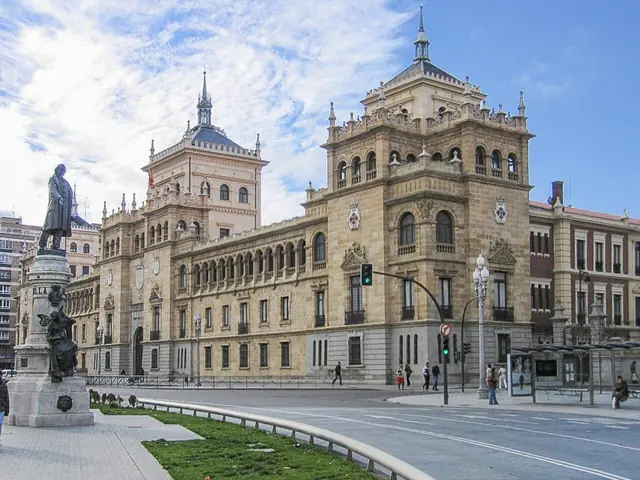
Museo de la Academia de Caballería de Valladolid
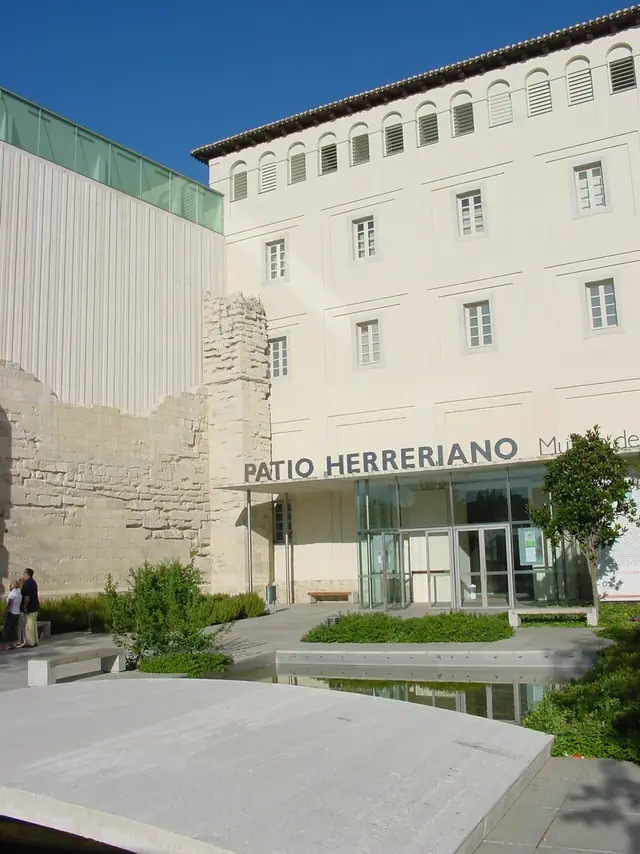
Museo Patio Herreriano de Arte Contemporáneo Español
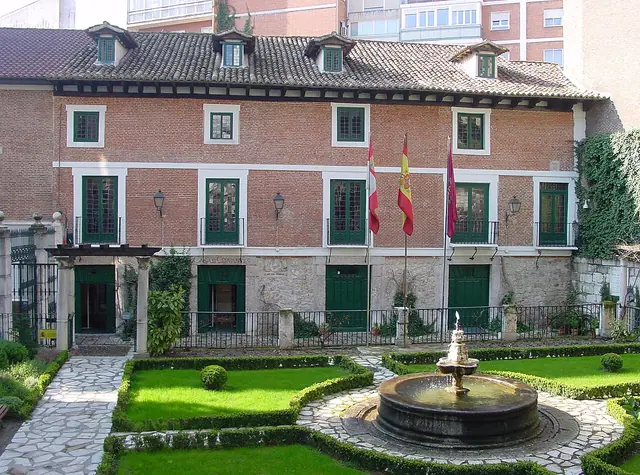
Museo Casa de Cervantes
Museo de la Real Academia de Bellas Artes de la Purísima Concepción
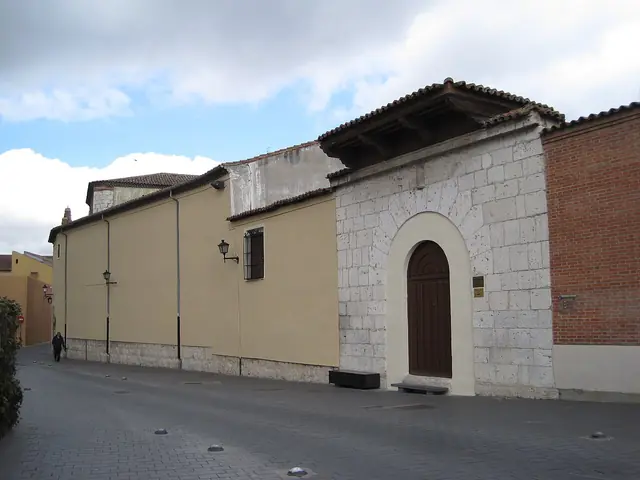
Museo del Monasterio de Santa Isabel
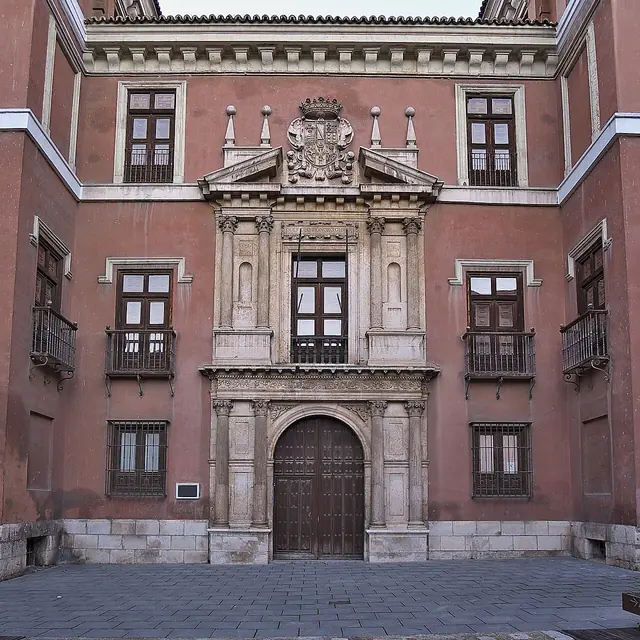
Museo de Valladolid
All 15 museums in Valladolid All museums in Castile and León