Museo Interactivo de la Música de Málaga
Participatory museum of instruments from around the world in the Palacio Conde de las Navas, with rooms where visitors can play.
Have only individual sections read aloud
About the museum
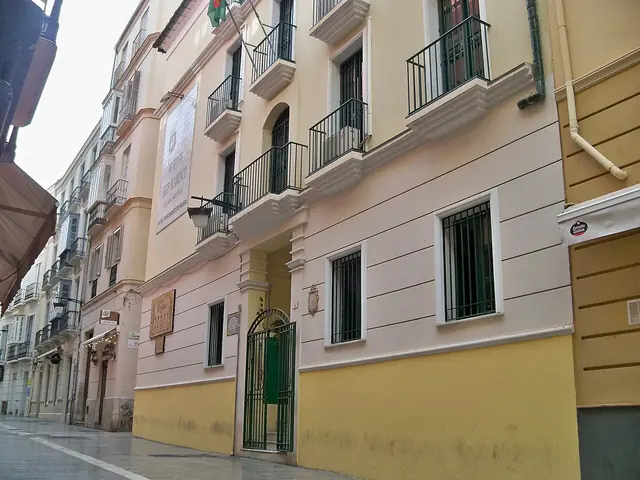
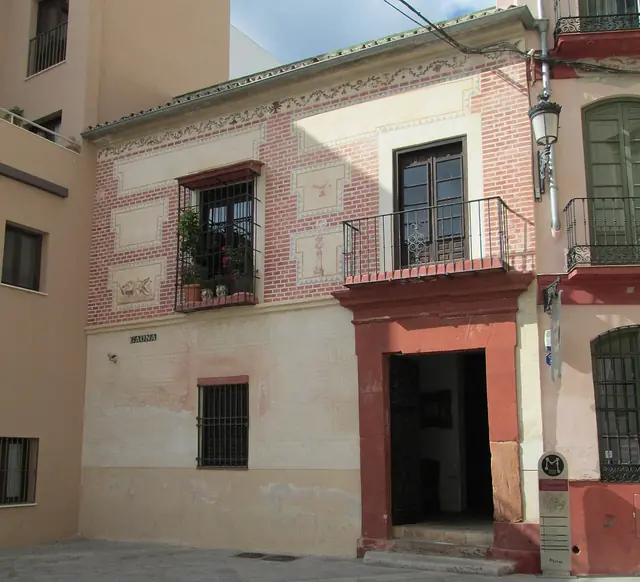
The Museo Interactivo de la Música de Málaga, known as MIMMA, opened in 2002 in an underground space on the Plaza de la Marina. Since 2013 it has occupied the Palacio Conde de las Navas, on Calle Beatas, right in the historic centre of the city, with an exhibition area of some 1,450 m².
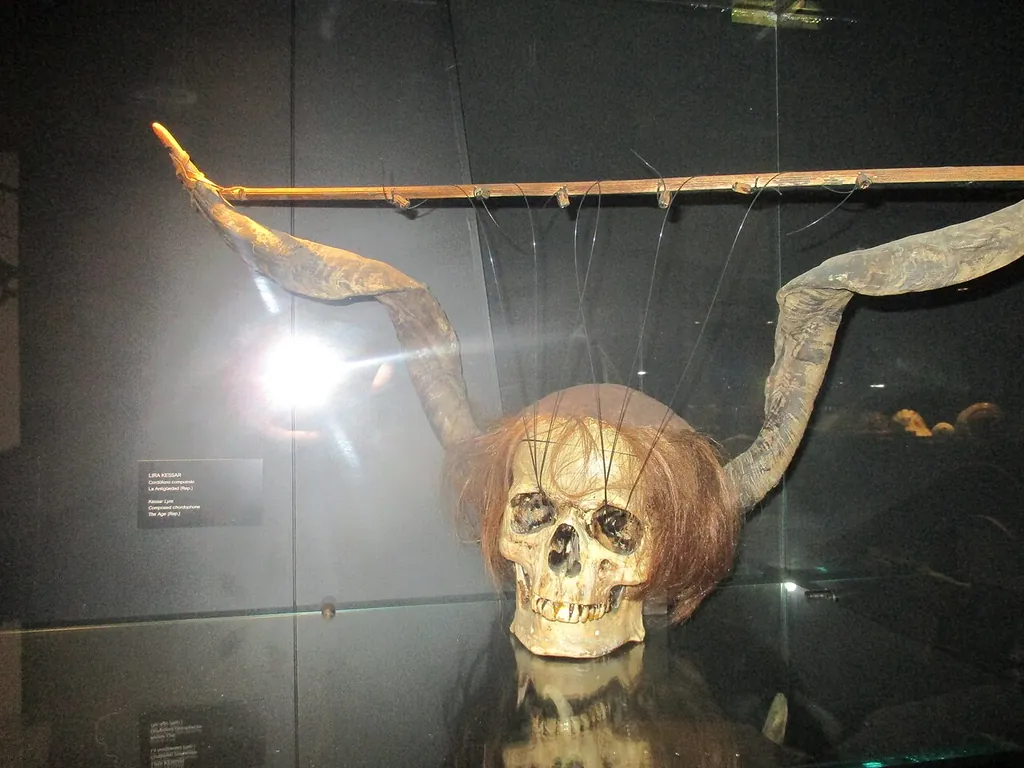
Its collection brings together more than a thousand instruments from different periods, countries and cultures, of which around four hundred are on display. The museum is conceived as a participatory space, based on the principles of the new museology, in which visitors engage with the pieces rather than simply looking at them.
The route is organised by colour. In the white space, instruments and large-scale installations are displayed, such as pianos, the Mano Guidoniana and the Pasarela de las Musas, as well as a temporary exhibition room and remains of the city's Roman and medieval walls. The black space houses the permanent collection, with interactive stations for information, sound, video and games. In the red rooms, under the motto “Se ruega tocar” (Please Touch), a virtual teacher explains how to play instruments such as the violin, the udu, the cello, the guitar or the flamenco cajón.
The permanent collection ranges from the origins of music and folklore to the music of the five continents, mechanical music, recorded sound and electronic music.
Highlights
- More than a thousand instruments from around the world and from different periods
- “Se ruega tocar” rooms, where you learn by playing
- Interactive stations with information, sounds, videos and games
- Remains of the Roman and medieval walls inside the museum
- Based in the Palacio Conde de las Navas, in the historic centre
Permanent exhibitions
- Colección permanente (espacio negro) – Instruments from around the world, arranged from the origins of music and folklore to mechanical music, recorded sound and electronic music, with interactive stations.
- Salas «Se ruega tocar» – Rooms where visitors try instruments such as the violin, the udu, the cello, the guitar or the flamenco cajón, with the help of a virtual teacher.
- Founded
- 2002
Admission & discounts
| Adults | €6 |
|---|---|
| Reduced | €4Students, people over 65 and unemployed people |
| Children & teens | freefree up to age 5 · Free admission for under-6s accompanied by adults. |
| Seniors | €4People over 65. |
| Students & apprentices | €4 |
Tickets can be bought in advance online.
Accessibility
- Wheelchair accessible: no information
- Elevator: no information
- Accessible restroom: no information
- Accessible parking: no information
- Service dogs welcome: no information
- Tactile models & exhibits: no information
- Sign language tours: no information
- Easy-to-read materials: no information
- Audio description: no information
The museum publishes an accessibility information document on its website.
Kids & families
Great for kids & families
| Kids’ admission | free up to age 5 |
|---|
- Family tours & workshops
- Hands-on stations
The “Se ruega tocar” rooms allow visitors to try instruments. The museum runs a summer camp (Music Camp) and an educational programme with workshops for each school level. Under-6s enter free.
Getting there & parking
By public transit
Metro, lines L1 and L2; María Zambrano railway station; city buses on lines 1, 2, 3, 4, 6, 7, 8, 9, 10, 11, 14, 16, 17, 20, 21, 23, 25, 27, 30 to 38 and A.
By car
Nearby car parks on the Plaza de la Alcazaba, Calle Tejón y Rodríguez and Calle Granados.
Amenities & dining
The museum hasn’t published any information on this.
Events & venue rental
The museum hasn’t published any information on this.
Plan your visit
| School programs | yes |
|---|---|
| Good to know | School groups can request a 45-minute educational visit, or a 90-minute visit with a workshop, at 10:00 or 11:30, using the “Ven con tu colegio” (Come with your school) form. |