Museo Judío David Melul
Museum in a 15th-century manor house on the history of Jews in Spain, conversos and Sephardic culture, with a model of medieval Béjar.
Have only individual sections read aloud
About the museum
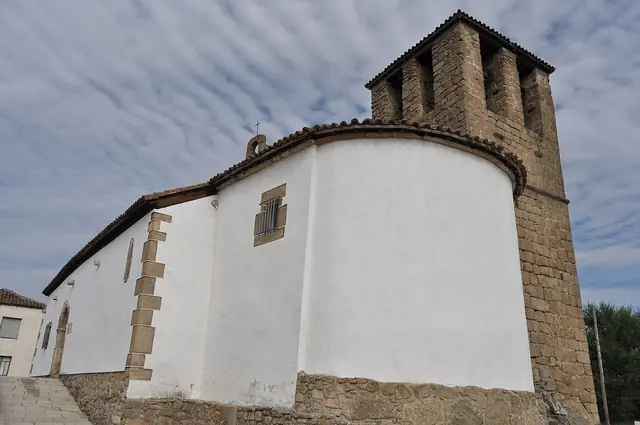
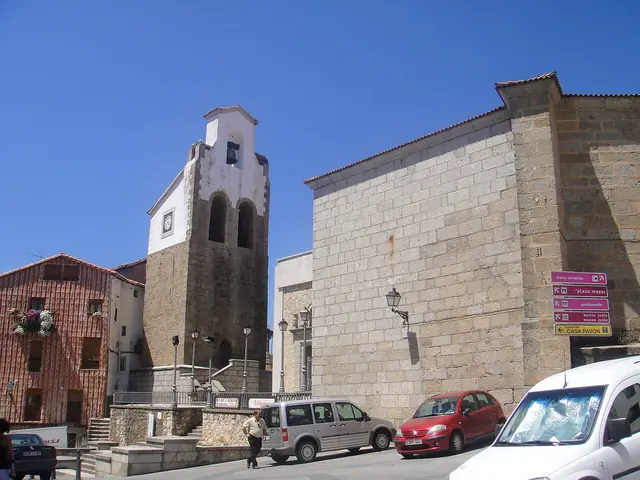
The museum occupies a manor house from the mid or late 15th century, in the monumental complex around the church of Santa María la Mayor, just behind what was the palace of the Dukes of Béjar. The town council acquired the three-storey building in 2003 thanks to the financial contribution of David Melul, a businessman who had studied textiles in Béjar and whose name the museum bears. The building was refurbished for museum use, and the museum opened its doors in 2004.
The route follows a chronological order. The ground floor covers the history of Jews in Spain and in Béjar and brings together items such as the Fuero de Béjar (town charter), which regulated coexistence between Christians, Muslims and Jews; the gravestone of Doña Fadueña (12th–14th centuries); and ritual objects such as menorahs, megillot, tefillin and tallitot, as well as everyday medieval documents. This section ends with an audiovisual on the 1492 decree of expulsion.
The first floor is devoted to the conversos after the expulsion. A model of 15th-century Béjar shows the areas where a Jewish presence is documented, and the museum displays inquisitorial documents, a 17th-century Megillah of Esther and materials on Francés de Zúñiga, jester to Charles V. The second floor explains the Sephardic world, with maps of the routes of exile, audiovisual material on Judeo-Spanish, and testimonies from families with surnames such as Béjar, Behar and Bejarano.
Highlights
- Fuero de Béjar (town charter)
- Gravestone of Doña Fadueña (12th–14th centuries)
- Model of 15th-century Béjar with the Jewish areas
- Ritual objects: menorahs, megillot, tefillin and tallitot
- 17th-century Megillah of Esther
- Audiovisual on the 1492 decree of expulsion
Permanent exhibition
- Colección permanente: judíos, conversos y sefardíes – Three floors on the history of Jews in Spain and in Béjar, the converso world after 1492 and the routes of Sephardic exile.
- Founded
- 2004
- Operated by
- Ayuntamiento de Béjar
Admission & discounts
| Adults | €1.50 |
|---|---|
| Reduced | €1People over 65 |
| Children & teens | freefree up to age 12 · Free admission for children under 13. |
| Seniors | €1People over 65. |
| Groups (11+ people) | –Group visits (more than 10 people) by advance booking: camaraoscura@aytobejar.com. |
Free admission: Wednesdays: free admission.
Accessibility
- Wheelchair accessible: no information
- Elevator: no information
- Accessible restroom: no information
- Accessible parking: no information
- Service dogs welcome: no information
- Tactile models & exhibits: no information
- Sign language tours: no information
- Easy-to-read materials: no information
- Audio description: no information
The municipal tourism portal lists the museum as accessible; the museum does not publish details of access or lift arrangements. The building has three floors.
Kids & families
The museum hasn’t published any information on this.
Getting there & parking
In the historic centre, next to the church of Santa María la Mayor and behind the former ducal palace.
Get directionsAmenities & dining
- Museum shop
Small shop in the museum.
Events & venue rental
The building has a conference room and a room for researchers.
Plan your visit
| Guided tours | yes |
|---|---|
| Good to know | Guided and group visits can be arranged by phone (923 410 539) or by email (camaraoscura@aytobejar.com for groups of more than 10 people). The route includes an audiovisual on the 1492 decree of expulsion. |