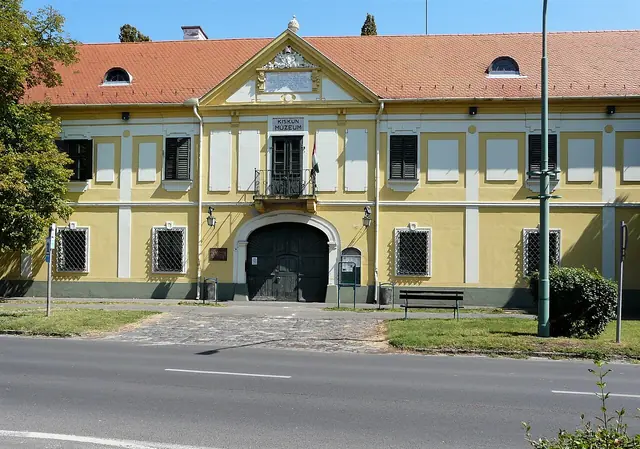
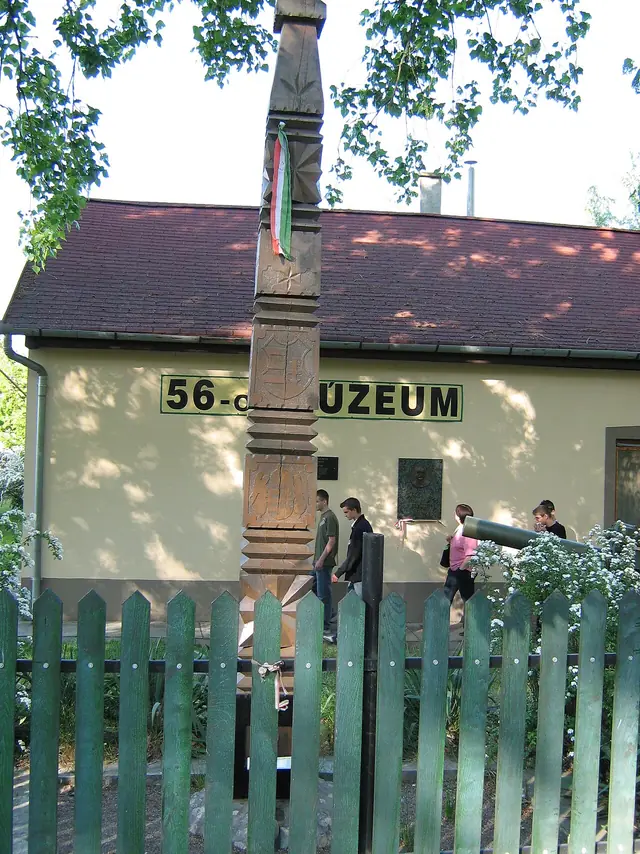
Alföldfásítási Múzeum
Specialist museum in Bugac on the history of afforestation in the Great Hungarian Plain, with old working machines, tools and the wildlife of the plain's forests.
Have only individual sections read aloud
About the museum
The last natural vegetation cover of the Great Hungarian Plain was wooded steppe, where forests, marshes, bogs, loess and sand steppes alternated. During the Ottoman period and later wars, the native forests were almost completely destroyed, except for riverside communities, and drifting sand spread; reafforestation therefore arose out of economic necessity. In the exhibition, visitors can learn about afforestation methods, former working machines and tools, the climatic and soil factors of the plain's forests, and their characteristic wildlife. The display commemorates the foresters and researchers who played a role in the afforestation of the Great Plain.
Highlights
- Methods and history of afforestation on the Great Plain
- Former forestry machines and tools
- The wildlife of the plain's forests
Permanent exhibition
- Alföldfásítás – The history, methods, machines and wildlife of the forests of the Great Hungarian Plain, and the story of its afforestation.
- Operated by
- Kiskunsági Erdőgazdaság Zrt.
Admission & discounts
The museum hasn’t published any information on this.
Accessibility
The museum hasn’t published any information on this.
Kids & families
The museum hasn’t published any information on this.
Getting there & parking
The museum hasn’t published any information on this.
Amenities & dining
The museum hasn’t published any information on this.
Events & venue rental
The museum hasn’t published any information on this.