Museo civico diocesano di Visso
Museum in Visso with medieval and Renaissance sacred art and manuscripts by Giacomo Leopardi, temporarily housed since the 2016 earthquake.
Have only individual sections read aloud
About the museum
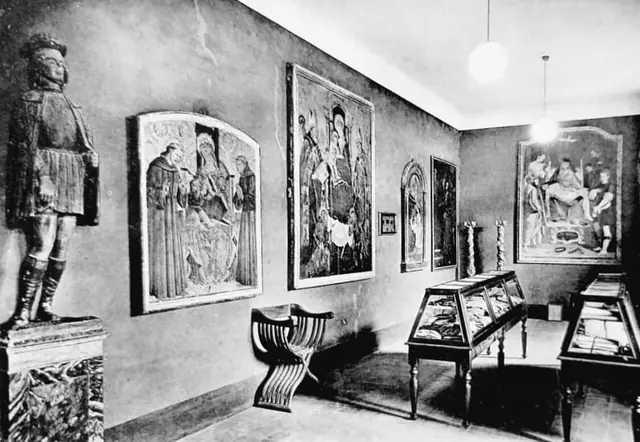
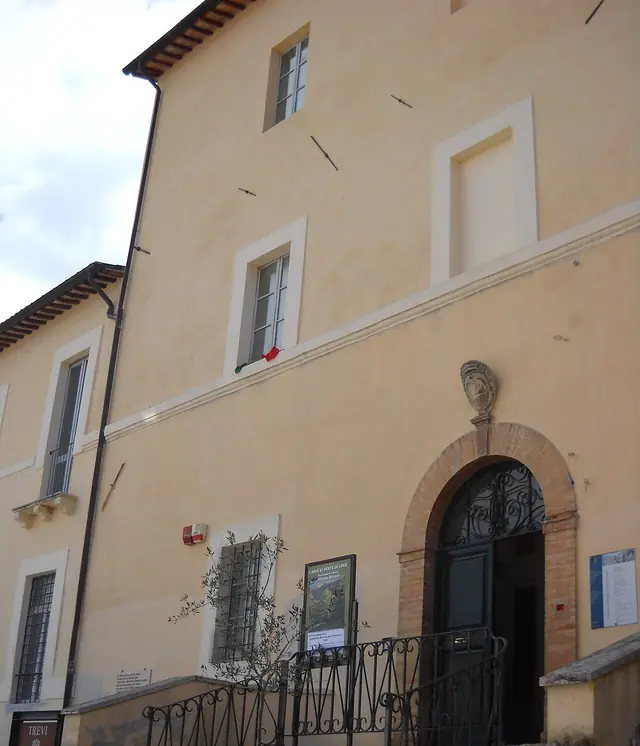
The Museo civico e diocesano di Visso, opened in 2004, was housed in the former Gothic church of Sant’Agostino (1338), next to the collegiate church of Santa Maria. It held works from the churches of the area: paintings, frescoes, terracotta and wooden sculptures, tabernacles and liturgical objects such as crosses, reliquaries and chalices, with regional artists such as Paolo da Visso and Gaspare Angelucci.
One section was devoted to Giacomo Leopardi’s autograph manuscripts, including the idylls and some letters; according to the sources consulted, the originals are now kept in Bologna.
The 2016 earthquake severely damaged the historic centre. According to a statement from the Commissioner for reconstruction (April 2024), the Leopardi museum is housed in a temporary location in Piazza Maria Cappa, pending the reconstruction of the Sant’Agostino complex, and it plans to display Leopardi’s manuscripts and a collection of sacred art from the 12th to the 15th century, using multimedia technologies.
Highlights
- Sacred art from the area, 12th to 15th century
- Autograph manuscripts by Giacomo Leopardi
- Works by Marche artists such as Paolo da Visso and Gaspare Angelucci
- Temporary location in Piazza Maria Cappa while Sant’Agostino is rebuilt
Permanent exhibition
- Arte sacra e manoscritti leopardiani – Collection of sacred art from the area, 12th to 15th century, and manuscripts by Giacomo Leopardi.
- Founded
- 2004
Admission & discounts
The museum hasn’t published any information on this.
Accessibility
The museum hasn’t published any information on this.
Kids & families
The museum hasn’t published any information on this.
Getting there & parking
The museum hasn’t published any information on this.
Amenities & dining
The museum hasn’t published any information on this.
Events & venue rental
The museum hasn’t published any information on this.