Museo civico etnografico
Ethnographic museum in Atri with more than 3,000 objects on rural and urban life, industrial archaeology, popular religiosity, music and emigration.
Have only individual sections read aloud
About the museum
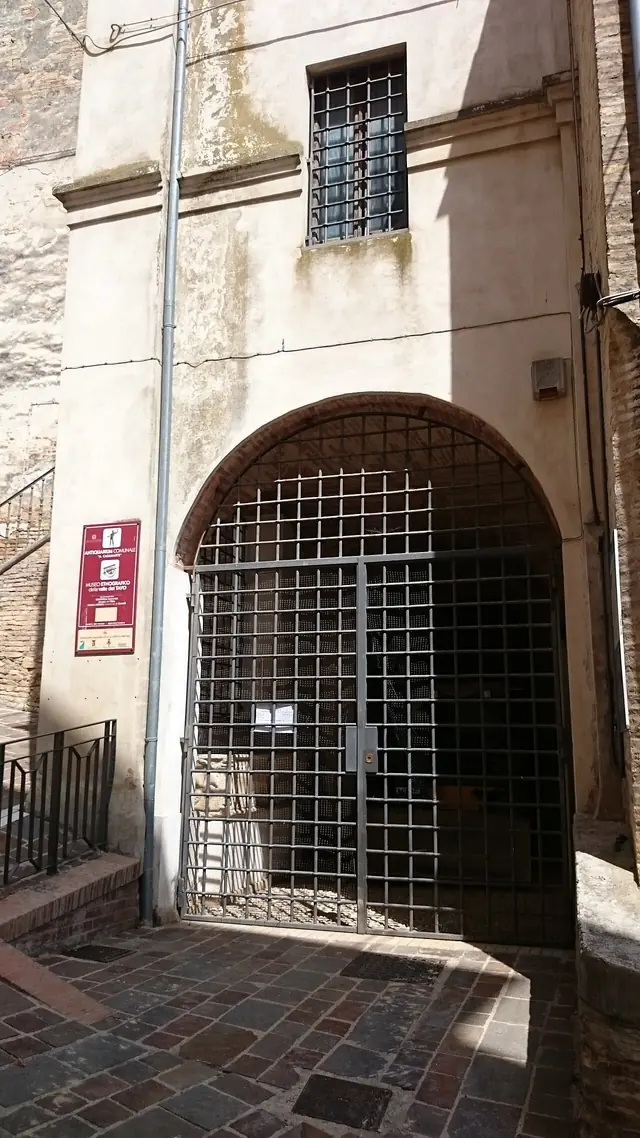
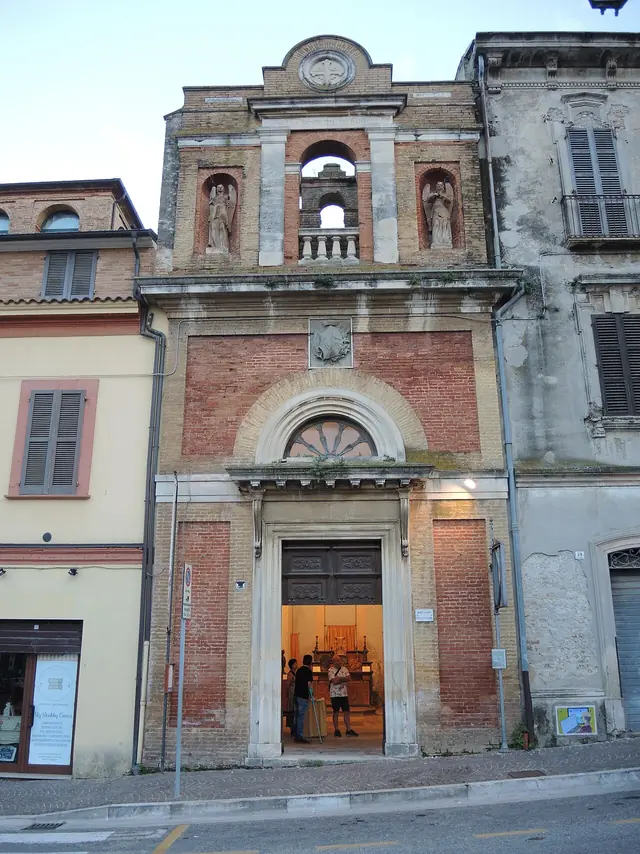
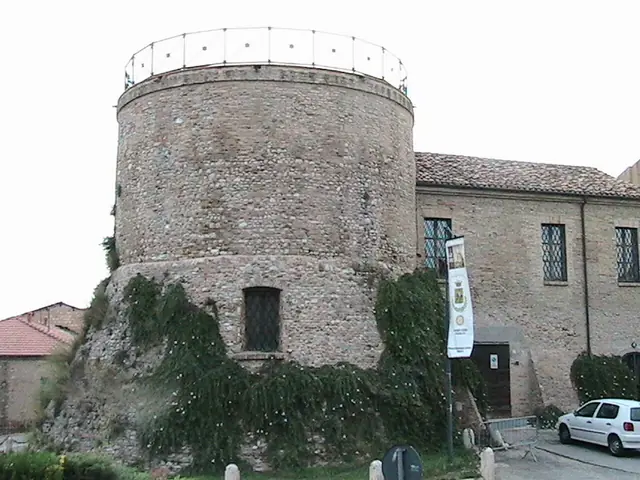
The Museo civico etnografico of Atri was founded in 1982 as an exhibition set up in the historic centre, and has been officially recognised as a museum since 1992. It is housed in Piazza San Pietro.
The collections comprise more than 3,000 objects arranged by theme: agro-pastoral culture, with carts, ploughs and yokes; industrial archaeology, with an early 20th-century silk-spinning mill (filanda), a liquorice-making machine and 1950s calculators; and urban life, with a reconstructed kitchen, bedroom and workshops of a shoemaker, a carpenter and a tailor, as well as ceramics from Castelli.
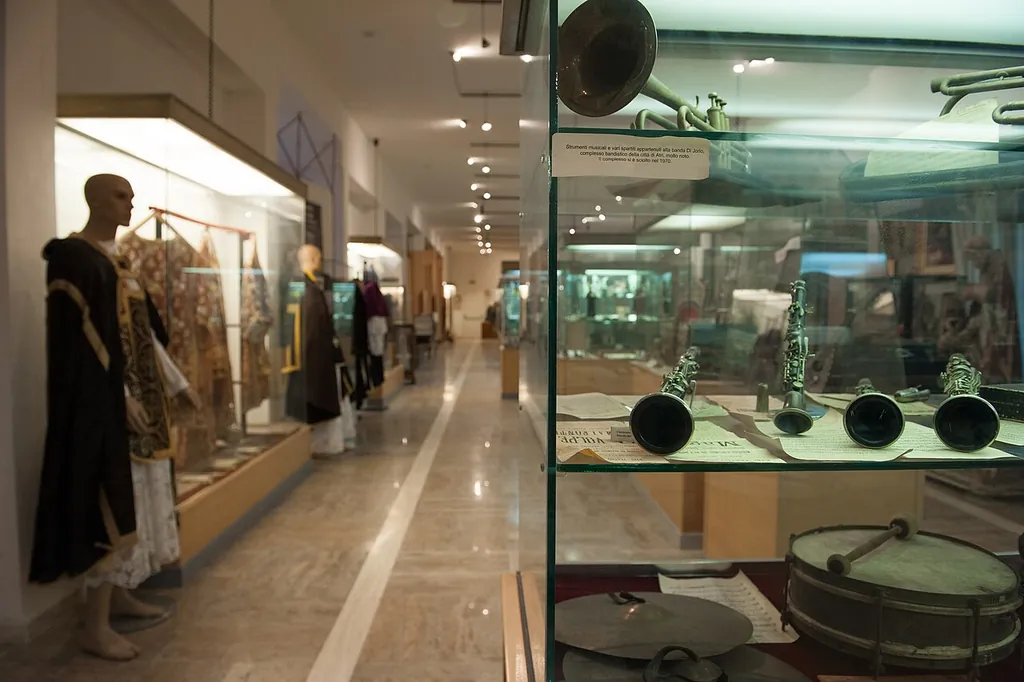
Other sections show rural life with a radio, gramophone, telegraph, cameras and a projector from the 1920s; the religious heritage, with sacred images and confraternity robes; the instruments of the brass band tradition; and objects belonging to emigrants who left for the coal mines of Belgium in the 1950s and 1960s.
Highlights
- More than 3,000 objects of everyday life
- Reconstructed workshops and domestic interiors
- Early 20th-century silk-spinning mill and liquorice machine
- Castelli ceramics
- Section on emigration to the Belgian coal mines
Permanent exhibition
- Collezione etnografica permanente – More than 3,000 objects on agro-pastoral culture, industrial archaeology, urban and rural life, popular religiosity, music and emigration.
- Founded
- 1982
- Operated by
- Comune di Atri
- Visitors per year
- approx. 550
Admission & discounts
The museum hasn’t published any information on this.
Accessibility
The museum hasn’t published any information on this.
Kids & families
The museum hasn’t published any information on this.
Getting there & parking
The museum hasn’t published any information on this.
Amenities & dining
The museum hasn’t published any information on this.
Events & venue rental
The museum hasn’t published any information on this.