Museo delle Carbonaie
Ethnographic museum in the 18th-century Palazzo Simonelli in Cessapalombo, dedicated to the ancient craft of the charcoal burners of the Monti Sibillini.
Have only individual sections read aloud
About the museum
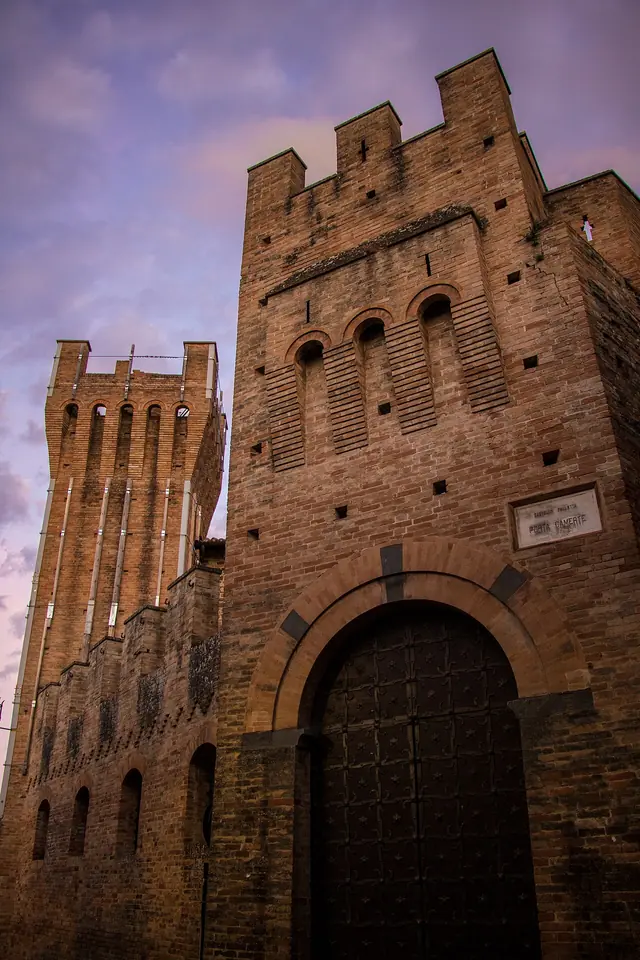
The Museo delle Carbonaie is housed in Cessapalombo, in Palazzo Simonelli, a building from the late 18th century. It tells the story of wood charcoal production, an activity that for centuries was the main source of energy in the Monti Sibillini and a key economic resource for local communities, and that continued throughout the 19th century.
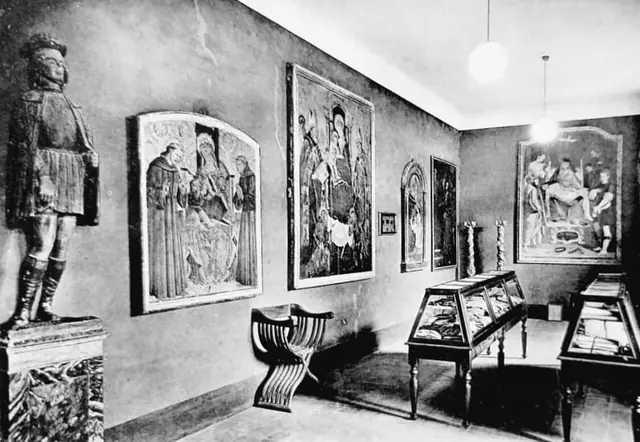
Five large rooms display the tools and equipment needed to produce natural charcoal by the traditional method, together with historical documentation on the craft. A separate area is devoted to the natural features of the Parco nazionale dei Monti Sibillini: geology, waters, flora and fauna, settlements, ancient routes of communication and civil and religious traditions.
The story continues outdoors along the “percorso delle carbonaie”, an external route that recreates the stages of production, from the stack of wood covered with earth to the firing.
Highlights
- Five rooms with the tools of the traditional charcoal kiln
- Historical documentation on the charcoal burners’ craft
- Section on the Parco nazionale dei Monti Sibillini
- Outdoor route recreating the stages of production
- Free admission
Permanent exhibition
- Le carbonaie dei Sibillini – Five rooms with tools and documents on wood charcoal production, and an outdoor route that recreates its stages.
Admission & discounts
Admission is free.
Free admission.
Accessibility
The museum hasn’t published any information on this.
Kids & families
The museum hasn’t published any information on this.
Getting there & parking
The museum hasn’t published any information on this.
Amenities & dining
The museum hasn’t published any information on this.
Events & venue rental
The museum hasn’t published any information on this.
Plan your visit
| Good to know | Visits on request. The outdoor “percorso delle carbonaie” starts from the hamlet of Villa. |
|---|