Parco archeologico di Suasa
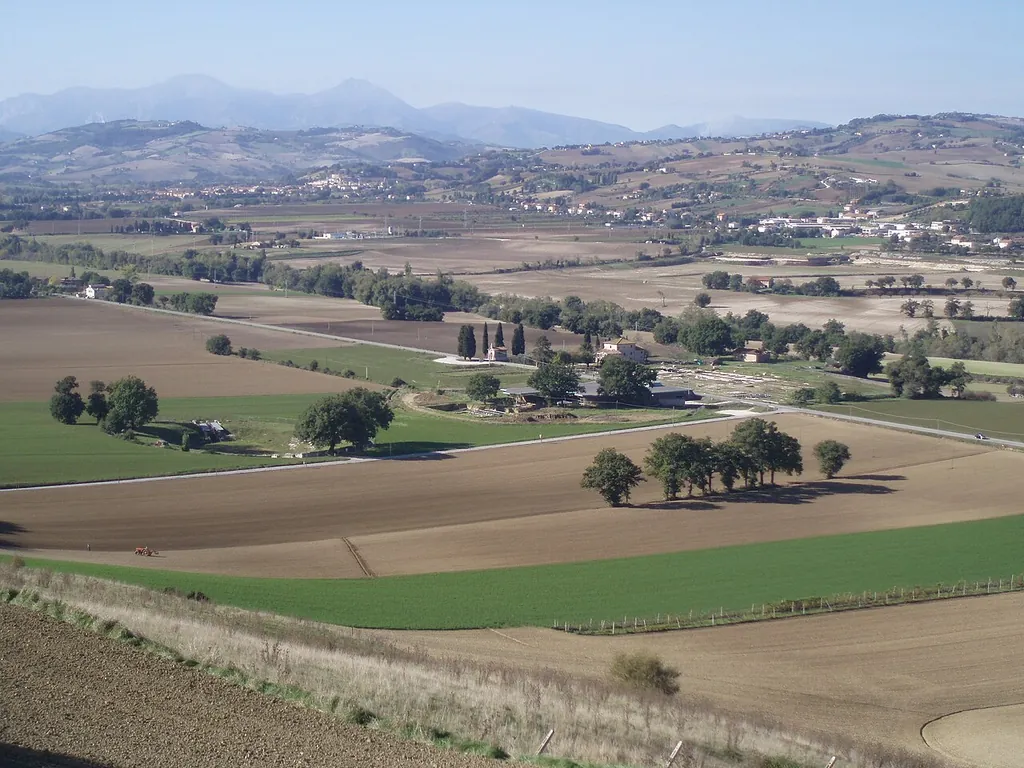
Archaeological park of the Roman city of Suasa, with the large Domus dei Coiedii, the forum and the amphitheatre, in the Cesano valley.
Have only individual sections read aloud
About the museum
Suasa was a Roman city in the Cesano valley, between the present provinces of Ancona and Pesaro-Urbino, inhabited until its abandonment in the 6th century. The first descriptions of the ruins date from the 17th century, and only the amphitheatre has always remained visible; occasional excavations date from the second half of the 19th century, and in the 1970s the Soprintendenza (heritage authority) began the recovery of the amphitheatre.
In 1987 a collaboration between the inter-municipal association of the Misa and Nevola valleys (later the Consorzio Città Romana di Suasa) and the University of Bologna launched systematic studies of the site, which led to the archaeological park project, today at Castelleone di Suasa.
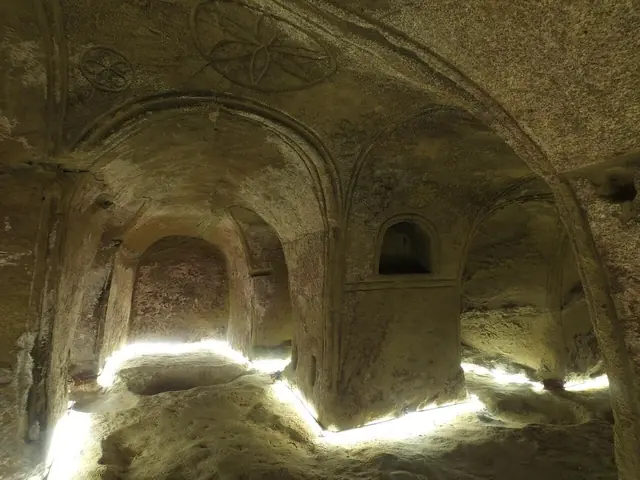
The route begins in the musealised area of the Domus dei Coiedii, a large house measuring 105 by 34 metres, with an atrium, a colonnaded garden, a thermal quarter and rooms decorated with mosaics and paintings, built between the 2nd century BC and the 2nd century AD. It continues to the forum, built at the beginning of the 1st century AD with a mainly commercial character, and to the amphitheatre, one of the largest in the Marche, with a major axis of 98.7 metres and an estimated capacity of between seven and ten thousand spectators.
Highlights
- Domus dei Coiedii with mosaics and thermal rooms
- Forum with porticoes and shops (tabernae)
- Roman amphitheatre, among the largest in the Marche
- Interactive app for children with the mascot Nina
- Self-guided route with QR codes in Italian, English and French
Permanent exhibitions
- Domus dei Coiedii – Large Roman house with atrium, colonnaded garden, thermal quarter and rooms with mosaics and paintings; the visit starts here.
- Foro e anfiteatro – Commercial square with porticoes and tabernae, and the elliptical amphitheatre of the 1st century AD with eight entrances.
- Operated by
- Comune di Castelleone di Suasa
- Visitors per year
- approx. 600
Admission & discounts
| Adults | €6 |
|---|---|
| Children & teens | freefree up to age 14 · Children up to 14 years free. |
| Visitors with disabilities | –Free admission for people with disabilities. |
The ticket also entitles visitors to admission to the Museo archeologico “A. Casagrande”, on the same day or on another date within opening hours. Tickets can be bought online on the park's website.
Accessibility
- Partially wheelchair accessible
- Elevator: no information
- Accessible restroom
- Accessible parking: no information
- Service dogs welcome: no information
- Tactile models & exhibits: no information
- Sign language tours: no information
- Easy-to-read materials: no information
- Audio description: no information
Inside the domus, access is provided by ramps and wooden walkways; accessible toilets at the entrance, near the ticket office.
Kids & families
Great for kids & families
| Kids’ admission | free up to age 14 |
|---|
- Family tours & workshops
- Activity booklet, scavenger hunt or kids’ audio guide
- Hands-on stations
Interactive app on a tablet: the mascot Nina, a small jellyfish, guides children in the search for the lost little snakes among the mosaics of the Domus. Educational activities for schools.
Getting there & parking
By public transit
By train to Senigallia station, then the scheduled coach Senigallia–Castelleone; from the interior, Pergola railway station and bus to Castelleone.
By car
Free parking
Free parking at the park.
The park is about 20 km from the A14 motorway exits at Senigallia and Marotta.
Get directionsAmenities & dining
Free car park for the park.
Events & venue rental
The museum hasn’t published any information on this.
Plan your visit
| Guided tours | yes |
|---|---|
| School programs | yes |
| Good to know | Guided tours with qualified staff, a self-guided route with QR codes (texts and audio in Italian, English and French), and an interactive app for the Domus. |