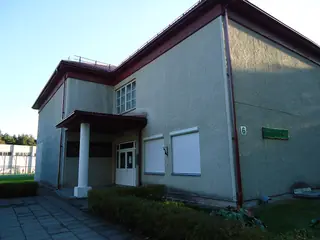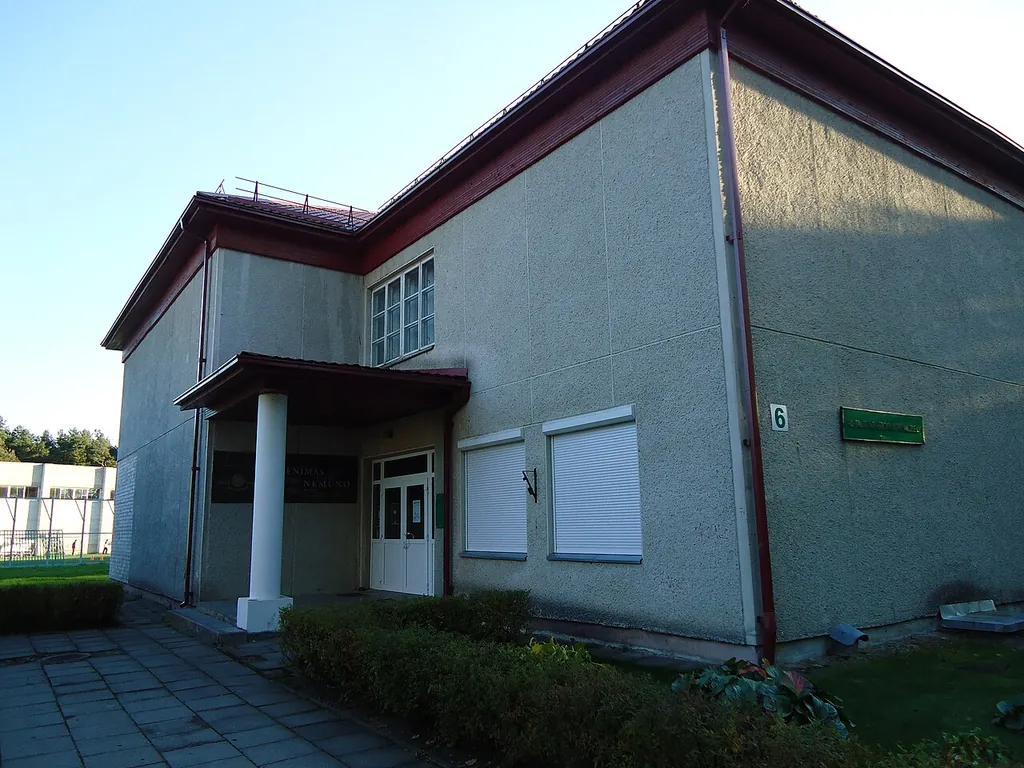
Alytaus kraštotyros muziejus
The Alytaus kraštotyros muziejus (Alytus Local History Museum) presents Dzūkija's ethnography and the history of the town in its permanent exhibitions “Sodžius Dzūkijon” (“Village Life in Dzūkija”) and “Gyvenimas abipus Nemuno” (“Life on Both Sides of the Nemunas”).
Have only individual sections read aloud
About the museum
The Alytus museum was registered on 24 April 1928 by a group of culture enthusiasts: the county doctor, priests and teachers. The aim of the society was to collect and preserve the remnants of Lithuanian culture. The first years were difficult, but from the spring of 1935 the museum became the Dzūkų muziejus (Dzūkai Museum), under the patronage of the Dzūkų kraštotyros draugija (Dzūkai Local History Society). The society collected archaeological material, documents, coins, natural history collections and folklore, and aimed to establish museums.
During the Soviet period the museum operated in various premises at the same time – in the basement of the former Šaulių (Riflemen's) building and later of the Cultural House. The long-time director Henrikas Lizdenis gathered helpers, organised expeditions, supported public museums and arranged folk art exhibitions. In 1976 the Cultural House began to be renovated, so the exhibition was dismantled and the exhibits were distributed among several rooms. The building intended for the museum on today's Savanorių Street was reconstructed, and in 1981, marking the 400th anniversary of Alytus self-government, it reopened to visitors.
Today the Alytaus kraštotyros muziejus is a local studies museum in the town centre with several branches: the Archaeology Museum, the Audiovisual Arts Centre, and the Anzelmo Matučio and Antano Jonyno memorial museums. In the main exhibition visitors learn about rural life in Dzūkija at the end of the 19th and the beginning of the 20th century, and about the history of Alytus from the 14th century to the last decade of the 20th century.
Highlights
- Ethnographic exhibition “Sodžius Dzūkijon” on rural life in Dzūkija
- Exhibition “Gyvenimas abipus Nemuno” on the history of the town of Alytus
- Educational sessions on history, archaeology and ethnography
Permanent exhibitions
- Sodžius Dzūkijon – Ethnographic exhibition of rural life in Dzūkija at the end of the 19th and the beginning of the 20th century, with the interior of a pirkia (traditional peasant house), textiles, vessels and work tools.
- Gyvenimas abipus Nemuno. Alytus archyvų, bibliotekų ir muziejų dokumentuose – The history of the town of Alytus from the 14th century to the last decade of the 20th century, told through documents, maps, postcards, photographs and video material.
- Founded
- 1928
Admission & discounts
| Adults | €1 |
|---|---|
| Reduced | €0.50Students, pupils, seniors and persons with disabilities |
| Children & teens | €0.50Pupils are eligible for the reduced ticket. |
| Seniors | €0.50 |
| Visitors with disabilities | €0.50 |
| Students & apprentices | €0.50 |
| Groups | –Groups are advised to register in advance by phone. |
| Educational session (45–60 min.) | €3Some programmes cost €4 or €5 per person. |
Free admission: Every last Saturday of the month and, on public holidays, on days announced in advance, admission is free.
Payment is possible in cash only.
Accessibility
- Wheelchair accessible: no information
- Elevator: no information
- Accessible restroom: no information
- Accessible parking: no information
- Service dogs welcome: no information
- Tactile models & exhibits: no information
- Sign language tours: no information
- Easy-to-read materials: no information
- Audio description: no information
For adaptation solutions it is recommended to contact the museum in advance.
Kids & families
Great for kids & families
- Family tours & workshops
- Hands-on stations
- Kids’ birthday parties
Educational sessions are tailored to pupils of different ages; birthday or family celebration programmes and outreach education can also be booked.
Getting there & parking
The museum is in the centre of Alytus, at Savanorių Street 6.
Get directionsAmenities & dining
The museum hasn’t published any information on this.
Events & venue rental
The museum hasn’t published any information on this.
Plan your visit
| Guided tours | yes |
|---|---|
| School programs | yes |
| Photography | Photography is generally allowed without flash; some exhibitions may have additional restrictions. |
| Good to know | Guided tours can be booked in advance by phone or email; they are usually conducted in Lithuanian and, where possible, in English and Russian. An average visit takes about 1–2 hours. Pets under supervision are admitted. |