Lesja bygdemuseum
Heritage farmstead in Lesja with old houses from the 18th and 19th centuries, summer activities, exhibitions and a museum shop.
Have only individual sections read aloud
About the museum
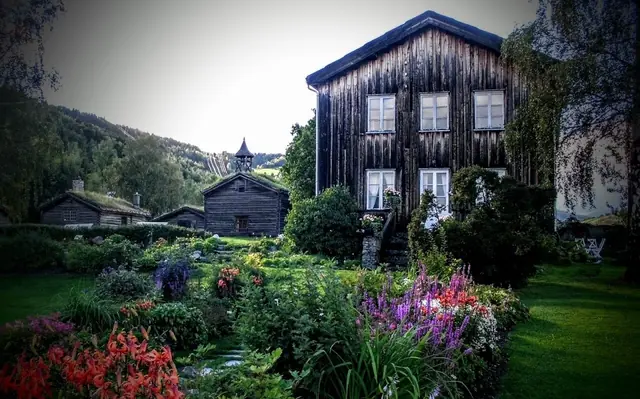
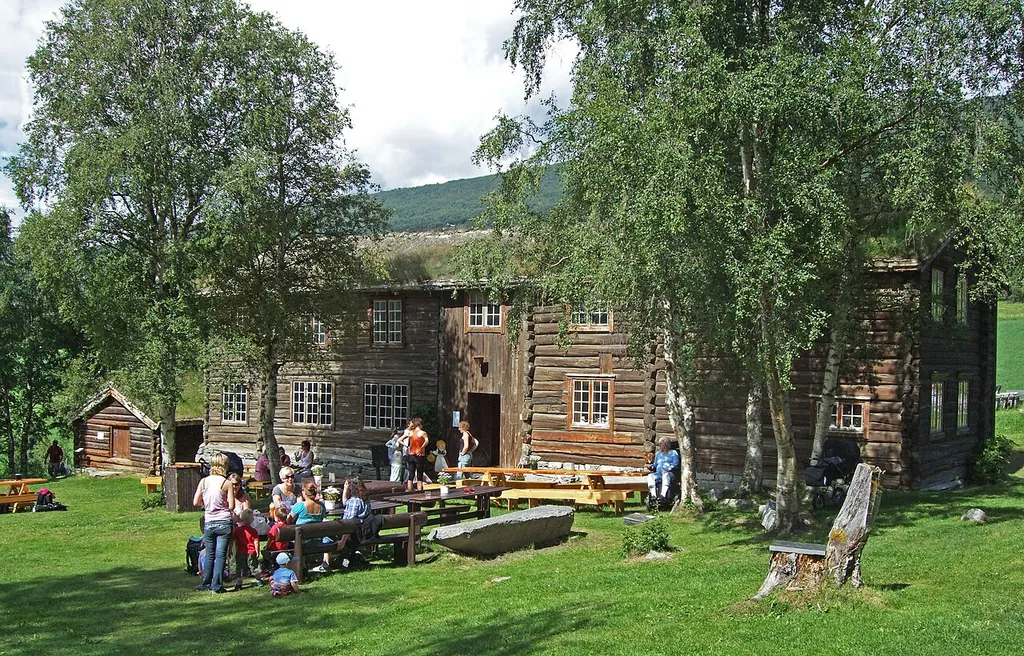
Lesja bygdemuseum began as Lesja heimbygdslag (local heritage society) in 1958. The municipal council gave the society a plot of land and a cash grant to move the first houses to the museum site. The first house was set up in 1963, and by 1983 ten houses had been moved there from various places in Lesja. More followed through fundraising and voluntary work (dugnad).
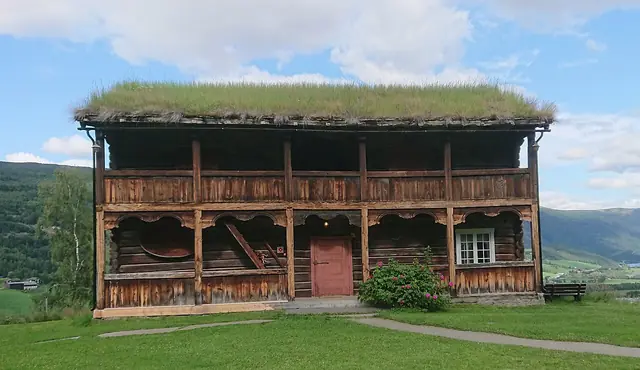
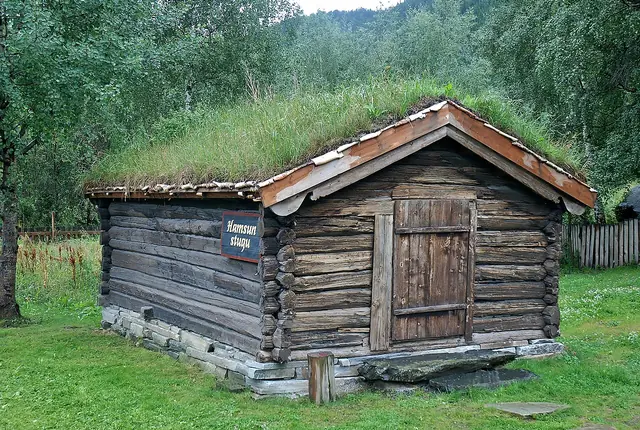
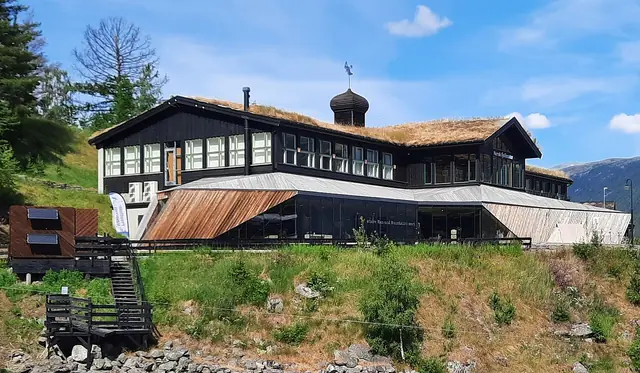
The open-air museum today has around sixteen buildings, most of them from the 17th to the 19th century, including Bellestugu from 1742, Ulateigstugu from 1754, Hatremstugu, Hoksvollåven, a granary from 1820, a smithy and a dye house. The newest buildings are Jaktbu, Leikarstugu and Gångstadlåven. A museum building from 2015 houses offices, storage and the shop, and next to it stands Tunstugu, with an exhibition on hunting and trapping wild reindeer.
The museum is an intimate and active museum within Gudbrandsdalsmusea. Through the summer there is a lot of activity in the old houses, with sewing and cooking, spinning and hay drying (høyhesjing), together with more than 200 volunteers. The museum also conveys knowledge of tangible and intangible cultural heritage all year round through its archive, exhibitions, courses and lectures. The building conservation adviser for Gudbrandsdalen is also based here. Since 2025 the museum has had a vegetable garden, Grønne røtter, where children and young people learn about sustainable gardening and local food culture.
Highlights
- Old houses on the site, including Bellestugu from 1742 and Ulateigstugu from 1754
- Summer activities such as sewing, cooking, spinning and hay drying
- The exhibitions “Gardslykke”, “Kornet” and “Kyrkjestad i 1000 år”
- Museum shop with books and crafts from local producers
- The vegetable garden Grønne røtter for children and young people
Permanent exhibitions
- Gardslykke – Exhibition on the cow as a resource and companion, and on the place of farming and milk production in Gudbrandsdalen.
- Kornet – frå overskott til kollaps – Exhibition on the importance of grain in Gudbrandsdalen.
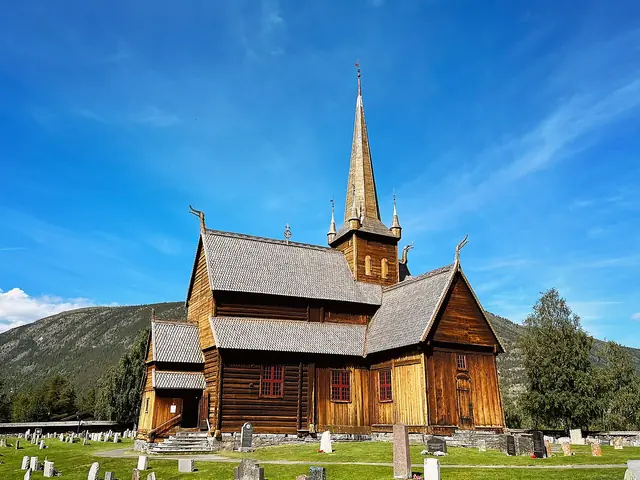
- Kyrkjestad i 1000 år – Exhibition on the church site at Lesja over a thousand years.
- Founded
- 1958
- Operated by
- Gudbrandsdalsmusea AS
Admission & discounts
| Adults | NOK 130 |
|---|---|
| Reduced | NOK 100Students and seniors (honnør) |
| Children & teens | freefree up to age 15 · Children up to 16 enter free. |
| Seniors | NOK 100Concession (honnør) |
| Students & apprentices | NOK 100 |
| Summer pass | NOK 350Gives free admission for the whole summer season |
| Membership of Lesja bygdemuseum Venneforening (friends association) | NOK 150Gives free admission all year |
Prices for the summer season.
Accessibility
The museum hasn’t published any information on this.
Kids & families
| Kids’ admission | free up to age 15 |
|---|
Children and young people can take part in the educational garden project Grønne røtter, and children up to 16 have free admission.
Getting there & parking
The museum hasn’t published any information on this.
Amenities & dining
- Museum shop
Museum shop with books and craft products from local suppliers. Some of the older houses can be rented to companies and other groups.
Events & venue rental
- Spaces for rent
Some of the older houses on the site can be rented to companies and groups; please contact the museum for more information.
Plan your visit
| Good to know | Courses, lectures and activities through the summer; see the event calendar of Gudbrandsdalsmusea. |
|---|