Muzeum im. Jana Dzierżona w Kluczborku
Regional museum in the former castle in Kluczbork, with an exhibition on beekeeping and the life of Fr Jan Dzierżon, and an open-air exhibition of beehives.
Have only individual sections read aloud
About the museum
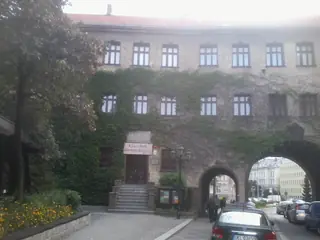
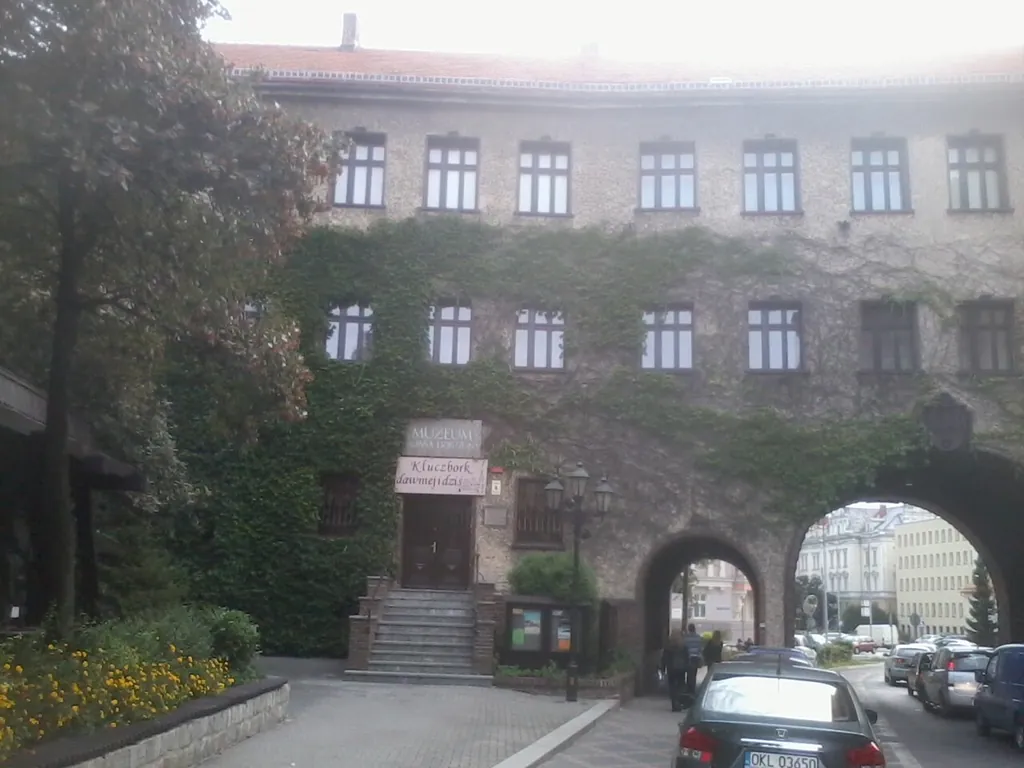
The museum began operating in 1959 as a branch of the Muzeum Śląska Opolskiego in Opole. In 1962 it was turned into a regional museum and assigned the building of the former castle, where it still operates. The seat, together with the adjoining water tower, stands out in Kluczbork’s urban landscape. The institution is named after Rev. Dr Jan Dzierżon, an outstanding beekeeper and discoverer of the laws governing the development of the honeybee colony.
Jan Dzierżon was born in 1811 in Łowkowice and is one of the pioneers of rational beekeeping. He was a practical beekeeper, populariser, social activist and scholar, and his discoveries opened a new stage in the development of beekeeping in the mid-19th century.
The permanent exhibition “Beekeeping Old and New” presents the history of beekeeping from ancient times to the present, with particular emphasis on Dzierżon’s role, and includes one of the oldest beekeeping relics in Poland and Europe. In the pavilion in front of the building, contemporary figurative beehives made by folk artists are displayed, and on the square behind the building an open-air exhibition of beehives has been set up, from log hives to box hives.
Highlights
- Permanent exhibition “Beekeeping Old and New” with one of the oldest beekeeping relics in Europe
- Contemporary figurative beehives in the pavilion in front of the museum
- Open-air exhibition “Beehives” on the square, accessible from the street
- Memorabilia of Rev. Jan Dzierżon, discoverer of the laws of honeybee colony development
- Workshops, including candle-making from beeswax
Permanent exhibitions
- Pszczelarstwo dawne i nowe – History of beekeeping from ancient times to the present, with particular emphasis on the role of Rev. Dzierżon.
- Współczesne ule figuralne – Beehives made in the 1970s and 1980s by folk artists and amateur sculptors, shown in the pavilion in front of the museum.
- Ule – Open-air exhibition on the square behind the building, showing the development of beehives from log hives to box hives among honey-producing plants.
- Founded
- 1959
Admission & discounts
| Adults | 10 zł |
|---|---|
| Reduced | 5 złpersons over 65, pensioners and disability pensioners, persons with disabilities and their carers, veterans, pupils, students and doctoral students, teachers and educators, parents with the Large Family Card or the “Kluczbork for Family +” card, holders of the European Youth Card EURO26 |
| Children & teens | 3 zł“double reduction” PLN 3 for children with the Large Family Card or the “Kluczbork for Family +” card |
| Seniors | 3 zł“double reduction” PLN 3 for seniors with the Large Family Card or the “Kluczbork for Senior +” card; other seniors over 65 pay PLN 5 |
| Visitors with disabilities | 5 złreduced ticket for persons with disabilities and their carers |
| Students & apprentices | 5 złpupils, students and doctoral students |
| Workshop ticket | 10 zł |
| Guided tour for an organised group on Saturdays, Sundays and holidays (min. 10 people) | 80 złOn other days guided tours are free of charge. |
Free admission: free admission on Sundays
Standard ticket PLN 10, reduced PLN 5, “double reduction” PLN 3, workshop ticket PLN 10. Admission is free on Sundays and for the open-air exhibition. Reduced tickets require presentation of a document entitling the holder to the reduction. The ticket office accepts cash and cashless payments; tickets are non-refundable.
Accessibility
- Wheelchair accessible: not available
- Elevator: not available
- Accessible restroom: not available
- Accessible parking
- Service dogs welcome
- Tactile models & exhibits
- Sign language tours: not available
- Easy-to-read materials: no information
- Audio description: no information
The museum is housed in a historic castle; high steps lead to the entrance, there is no lift or ramp, and the exhibition rooms are on three floors. The toilets on the first floor are not adapted for people with disabilities. The open-air exhibition “Beehives” is accessible from street level and has information panels with Braille; several exhibits in the permanent exhibition can be touched. Two parking spaces for people with disabilities are located at ul. Zamkowa 6. One member of staff acts as an assistant for people with disabilities; guide dogs may enter the museum. There are no induction loops or sign language interpreters.
Kids & families
- Family tours & workshops
- Activity booklet, scavenger hunt or kids’ audio guide
- Hands-on stations
The museum offers workshops for children, young people and adults (for example candle-making from beeswax), colouring pages for children and several exhibits to touch. Pushchairs may be taken around the museum, but the building has no lift.
Getting there & parking
By car
- Accessible parking
Amenities & dining
- Museum shop
- Coat check
Tickets and publications can be bought at the ticket desk on the ground floor. Large luggage and outdoor clothing must be left in the lobby.
Events & venue rental
The museum hasn’t published any information on this.
Plan your visit
| Guided tours | yes |
|---|---|
| School programs | yes |
| Photography | Amateur photography and filming are permitted and free of charge, without tripods, flash units and additional lighting. |
| Good to know | Organised groups (min. 10, max. 30 people) may be guided after registration; on Saturdays, Sundays and holidays a fee is charged for guiding. Workshops take place on the second floor and in the rooms of the first floor, for groups of up to 25 people. Animals (other than guide dogs), food and drinks may not be brought in, except into the open-air exhibition. |