Muzeum Piaśnickie w Wejherowie
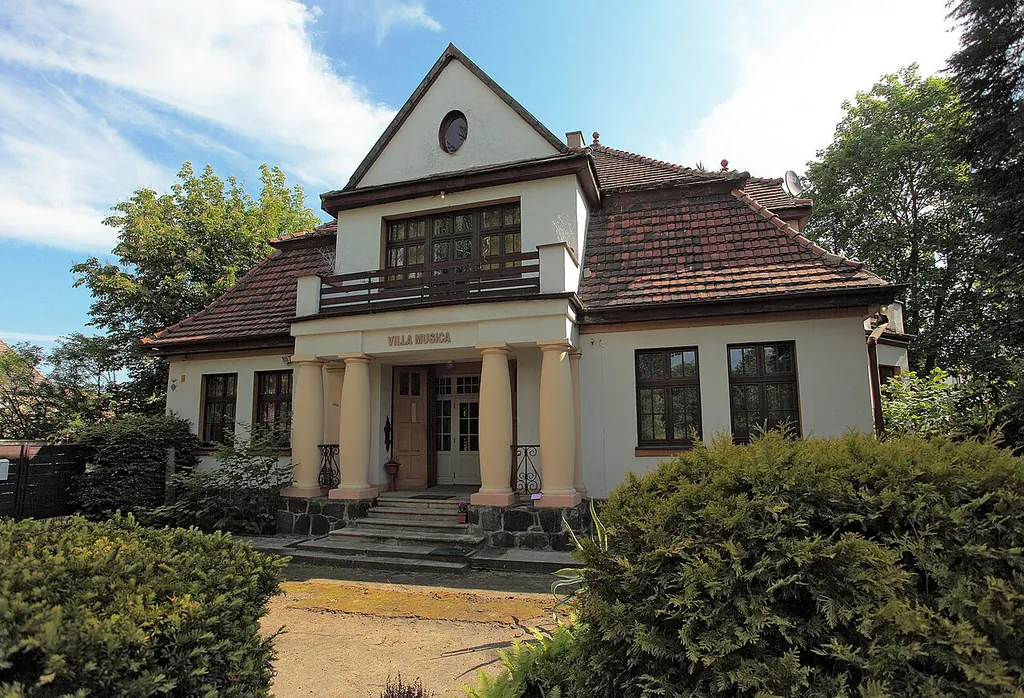
Branch of the Stutthof Museum in the Pank villa in Wejherowo, with free exhibitions on the interwar period and the German crime in the Piaśnica forests.
Have only individual sections read aloud
About the museum
The Muzeum Piaśnickie (Piaśnica Museum) was founded on 16 December 2015 as a state cultural institution and a branch of the Stutthof Museum in Sztutowo. It documents German crimes in Pomerania during the Second World War, especially the mass executions in the Piaśnica forests, where in autumn 1939 many victims of the “Akcja Inteligencja” (Intelligenzaktion) were murdered. Its first seat was a temporary office at ul. św. Jacka in Wejherowo.
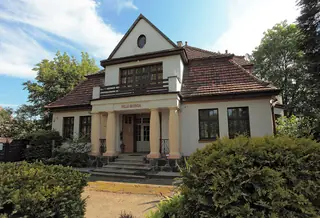
In December 2022 the museum moved to its permanent seat at ul. Ofiar Piaśnicy 6, in the historic villa known as Villa Musica or the Pank villa (willa Panków). It was built in 1926 by the doctor and social activist Dr Franciszek Pank. During the occupation the Germans seized the building and set up a Gestapo seat in it, and in the cellars they stored clothing and belongings of the murdered; two daughters of Franciszek Pank died in the Piaśnica forests. The permanent exhibition was opened in August 2023.
On the ground floor an exhibition on the interwar period is presented, in the cellar one on the Piaśnica crime, and on the garden wall there is an outdoor exhibition. The museum also conducts research, education and archival searches to establish a full list of victims.
Key themes
- Pank villa from 1926, during the occupation the seat of the Gestapo
- Exhibition in the cellar on the Piaśnica crime, in nine rooms
- Exhibition on the ground floor on the interwar period in Pomerania and the Pank family
- Outdoor exhibition on the garden wall
- Free admission; audio guides in Polish, English and German
Permanent exhibitions
- Okres międzywojenny (parter) – Exhibition on the rebuilding of Poland after regaining independence, the history of the sea county (powiat morski), the Pank family and the people who built Polish statehood in Pomerania after 1920.
- Zbrodnia piaśnicka (piwnica) – Nine rooms present the crime in the Piaśnica forests, its victims and perpetrators; the exhibition is intended for pupils from class VII.
- Wystawa plenerowa na murze ogrodu – People and events of the interwar period, shown on the basis of articles and photographs from the Pomeranian press.
- Founded
- 2015
- Operated by
- Muzeum Stutthof w Sztutowie
Admission & discounts
Admission is free.
Admission to the museum is free of charge.
Accessibility
- Partially wheelchair accessible
- Elevator
- Accessible restroom
- Accessible parking
- Service dogs welcome
- Tactile models & exhibits
- Sign language tours: not available
- Easy-to-read materials: no information
- Audio description: no information
The building has five entrances, but there is no ramp for wheelchairs, no platform and no induction loop; a lift operates inside, and the stairs and corridors meet width standards. Two parking spaces for people with disabilities are designated at the museum. Adapted toilets and the help of a trained staff member are available. The permanent exhibition has descriptions in Braille, a tyflomap stands at the entrance, and audio guides are prepared for visitors. A sign language interpreter is not available. Entry with a guide dog or assistance dog is allowed.
Kids & families
Only partly suitable for kidsRecommended for ages 13+
The exhibition on the ground floor has no age restrictions, while the exhibition in the cellar on the Piaśnica crime is intended for young people from class VII.
Getting there & parking
By car
- Accessible parking
Amenities & dining
The museum hasn’t published any information on this.
Events & venue rental
The museum hasn’t published any information on this.
Plan your visit
| Audio guide | yes (PL, EN, DE) |
|---|---|
| School programs | yes |
| Good to know | Audio guides are available in Polish, English and German. The exhibition in the cellar on the Piaśnica crime is intended for pupils from class VII (over 13 years of age). The museum runs museum lessons for primary school pupils from class VII. The visitor regulations were published by the Stutthof Museum. |