Podunajské múzeum v Komárne
A regional museum in Komárno, with its main building in the Cultural Palace, an exhibition on the history of the town, a memorial exhibition on Jókai and Lehár, and a Roman lapidarium.
Have only individual sections read aloud
About the museum
The basis of the museum was the collection of the Historical and Archaeological Society of the Komárno County and Town of Komárno, founded in 1886. In 1900 the society was renamed the Museum Society and divided its collections into historical, archaeological, natural history and ethnographic departments. In 1911 it merged with the educational society and the county library into the Jókai Educational and Museum Society.
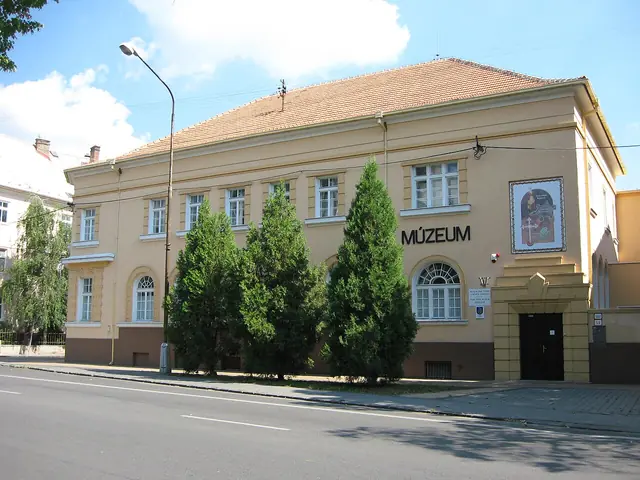
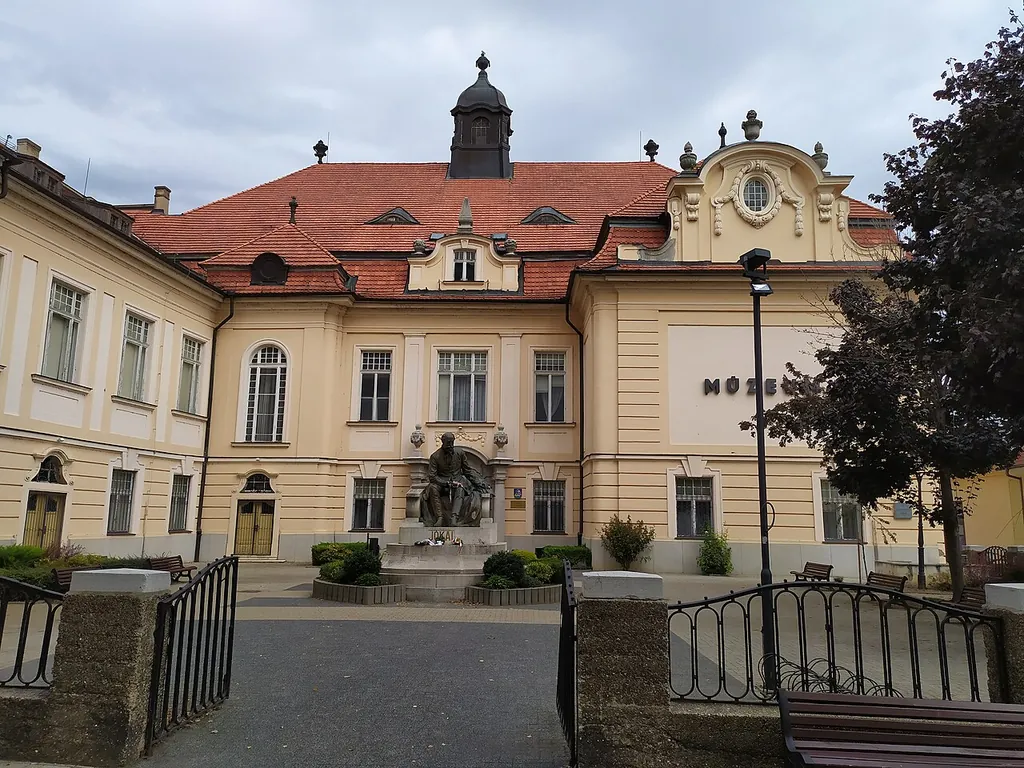
To a design by the Budapest professor Dezső Hültl, the society's new building, the Cultural Palace, was built in 1913 and remains the main seat of the museum today. After the Second World War the District Museum was founded in 1948, and in 1949 it was renamed Podunajské Museum (Danube Region Museum). After a general repair of the building, a permanent archaeological, historical and ethnographic exhibition was opened in 1970, and from 1975 the museum also set up exhibitions outside the main building.
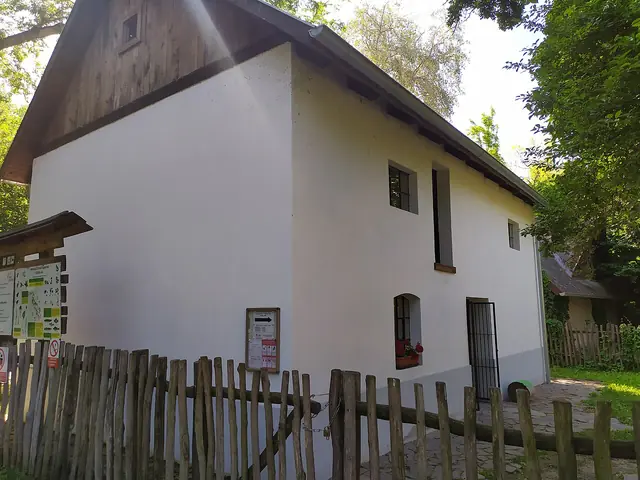
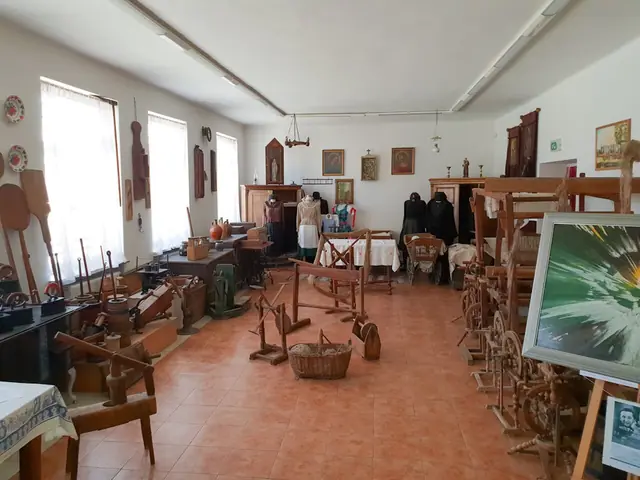
Today the museum manages several buildings: the Cultural Palace, the Zichy Palace with the exhibition Komárno 1849–1945, the museum and library building with a picture gallery, the Roman lapidarium in Bastion VI and a peasant house in Martovce. The founder is the Nitra Self-Governing Region.
Highlights
- Cultural Palace from 1913 as the seat of the museum
- Exhibition Komárno 1849–1945 in the Zichy Palace
- Memorial exhibition on Mór Jókai and Franz Lehár
- Roman lapidarium in Bastion VI, with the Europa Nostra award
- Peasant house in Martovce with folk housing
Permanent exhibitions
- Komárno 1849 – 1945 – A permanent exhibition in the Zichy Palace on the more recent history of the town, from the defeat of the Hungarian revolution to 1945.
- Významní rodáci Komárna: Mór Jókai a Franz Lehár – A memorial exhibition on the life and work of the writer Mór Jókai and the composer Franz Lehár, and on their relationship to their native town.
- Rímske lapidárium – Roman stone monuments from the 1st to 4th century, especially gravestones and altars from the frontier fortifications of Brigetio and Kelemantia.
- Founded
- 1886
- Operated by
- Nitriansky samosprávny kraj
Admission & discounts
| Adults | €8 |
|---|---|
| Reduced | €3pensioners €3, children €4 |
| Children & teens | €4free up to age 5 · Children under 6 enter free. |
| Seniors | €3The pensioner's ticket for all exhibitions and displays is valid for 48 hours. |
| Visitors with disabilities | freeHolders of a ZŤP card enter free. |
| Groups (10+ people) | €1 per personOrganised group visits by schools and school facilities of more than 10 people pay €1 per pupil; visits by pensioners' clubs of more than 10 people pay €1 per person. |
| Families | €12Family ticket: 2 adults and 2 to 4 children. |
| Museum-educational workshop | €1Per person. |
Tickets for all exhibitions and displays are valid for 48 hours: adult €8, child €4, pensioner €3. Free admission for children under 6, holders of ZŤP, ZMS and ICOM cards, members of MVMSZ and members of partner institutions. Admission can be paid only in cash, in euros.
Accessibility
The museum hasn’t published any information on this.
Kids & families
Great for kids & families
| Kids’ admission | free up to age 5 |
|---|---|
| Family ticket | €12 · Family ticket: 2 adults and 2 to 4 children. |
- Family tours & workshops
The museum sells family tickets and offers museum-educational workshops for children and schools.
Getting there & parking
The museum hasn’t published any information on this.
Amenities & dining
The museum hasn’t published any information on this.
Events & venue rental
The museum hasn’t published any information on this.
Plan your visit
| Guided tours | yes |
|---|---|
| School programs | yes |
| Good to know | Apart from the short-term exhibitions, the open storage room Zoologický kabinet (Zoological Cabinet) is accessible in the Cultural Palace. Museum-educational workshops are available for schools and groups. |