Conjunto Arqueológico de Carmona
Archaeological site with the Roman necropolis of Carmona and its amphitheatre, plus an on-site museum with finds from Bonsor's excavations.
Have only individual sections read aloud
About the museum
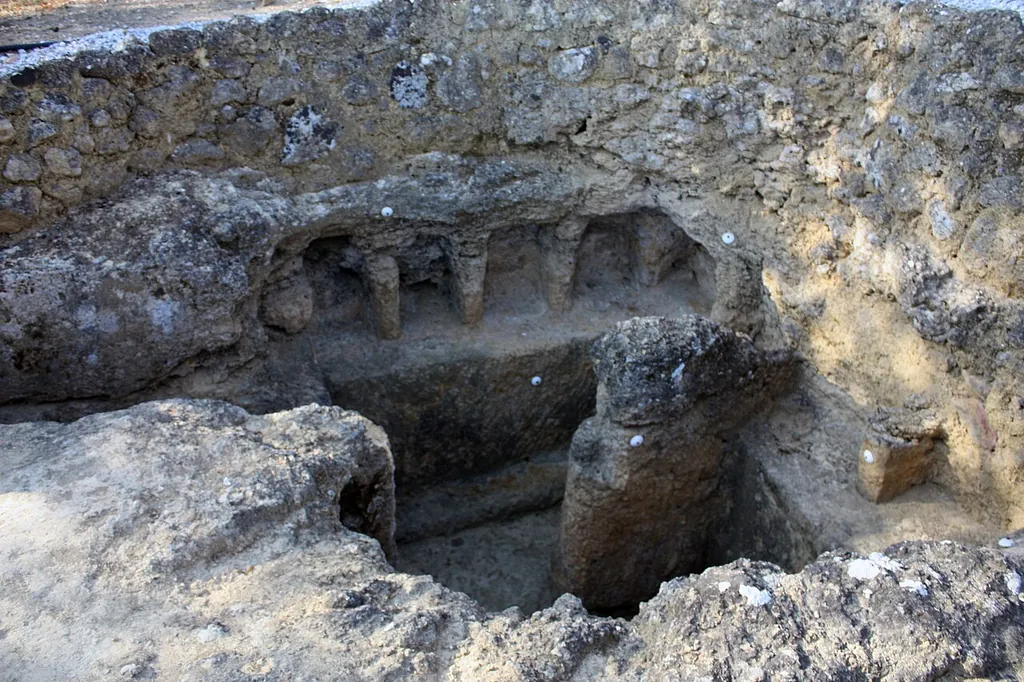
The Roman necropolis of Carmona was discovered by chance in 1868, during levelling work on a track. After years of looting, in 1881 Juan Fernández López and George Bonsor began a scientific survey of the site and acquired the land. In 1885 they founded the Sociedad Arqueológica de Carmona, which managed the site, and the necropolis was officially opened.
In 1930 both donated the site to the State, which declared it a Historic-Artistic Monument in 1931. During the Civil War it was directed by officials of the Seville Archaeological Museum, and during that period excavations brought the amphitheatre to light. After cultural powers were transferred to Andalusia, the Conjunto Arqueológico de Carmona was established in 1992 as an administrative unit of the Department of Culture.
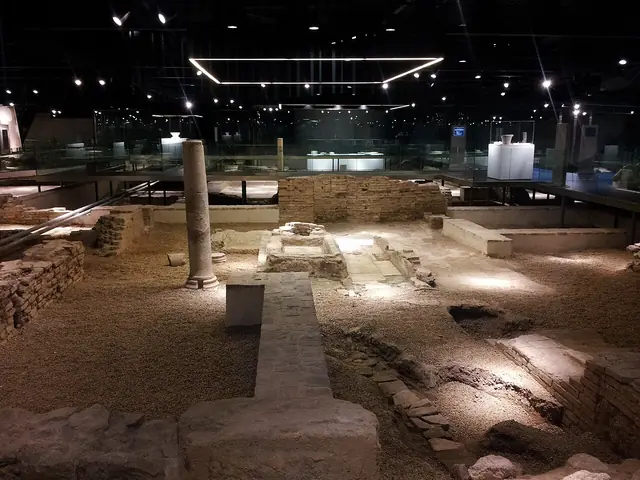
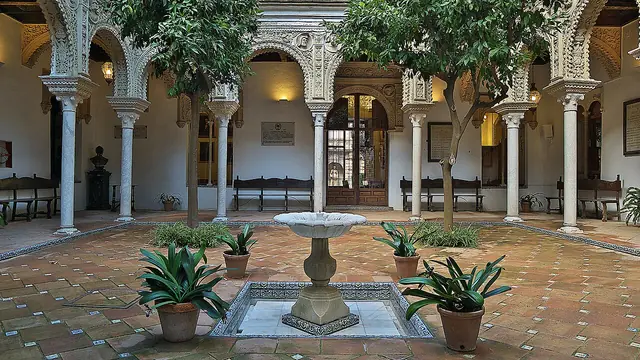
The site covers about eight hectares on the west side of the city. The route begins at the on-site museum, which also serves as the reception, with an introductory audiovisual and pieces from Bonsor's excavations, and continues past tombs such as the Mausoleo Circular, the Tumba del Elefante, the Tumba de las Guirnaldas, the Tumba de Postumio and the Tumba de Servilia. The amphitheatre, the oldest surviving entertainment building in Baetica, is visited only with a guide on weekend and holiday mornings.
Highlights
- On-site museum with a terrace overlooking the necropolis and the amphitheatre
- Mausoleo Circular with a vaulted funerary chamber
- Tumba del Elefante, linked to Eastern cults
- Tumba de Servilia, with a large colonnaded courtyard
- Tumba de Postumio with restored decorative paintings
- Roman amphitheatre (guided visit on weekend and holiday mornings)
Permanent exhibitions
- Necrópolis romana y museo de sitio – Route through the tombs of the necropolis, with an introductory audiovisual and a selection of pieces from Bonsor's excavations in the on-site museum.
- Anfiteatro romano – Entertainment building of Baetica, visited only with a guide on weekend and holiday mornings.
- Operated by
- Consejería de Cultura, Patrimonio Histórico y Deporte de la Junta de Andalucía
Admission & discounts
| Adults | €1.50 |
|---|
Entry is free for European Union citizens with accreditation; for all other nationalities it costs €1.50. Access is free and individual, without advance booking, within opening hours.
Accessibility
- Wheelchair accessible: no information
- Elevator: no information
- Accessible restroom: no information
- Accessible parking: no information
- Service dogs welcome
- Tactile models & exhibits: no information
- Sign language tours: no information
- Easy-to-read materials: no information
- Audio description: no information
Only assistance dogs for people with disabilities are admitted.
Kids & families
The museum hasn’t published any information on this.
Getting there & parking
By public transit
Sevilla–Carmona bus line (M-124, operated by Casal), departing from the Prado de San Sebastián bus station.
By car
Nearest public car park: Paseo del Estatuto.
From Seville and Córdoba, take the A-4 motorway.
Get directionsAmenities & dining
The museum hasn’t published any information on this.
Events & venue rental
The museum hasn’t published any information on this.
Plan your visit
| Guided tours | yes |
|---|---|
| Photography | Personal images for private use are allowed, without flash, selfie sticks or tripods; other uses require authorisation. |
| Good to know | The amphitheatre is visited with a guide on weekend and holiday mornings. Groups need advance booking, and guided groups must use their own guiding system (microphone and headphones); public address systems are not allowed. Children under 14 must be accompanied by an adult. Large bags, baby buggies, bicycles and scooters are not admitted: they must be left in the lockers or in the designated areas. |