Museo Histórico Municipal de Loja
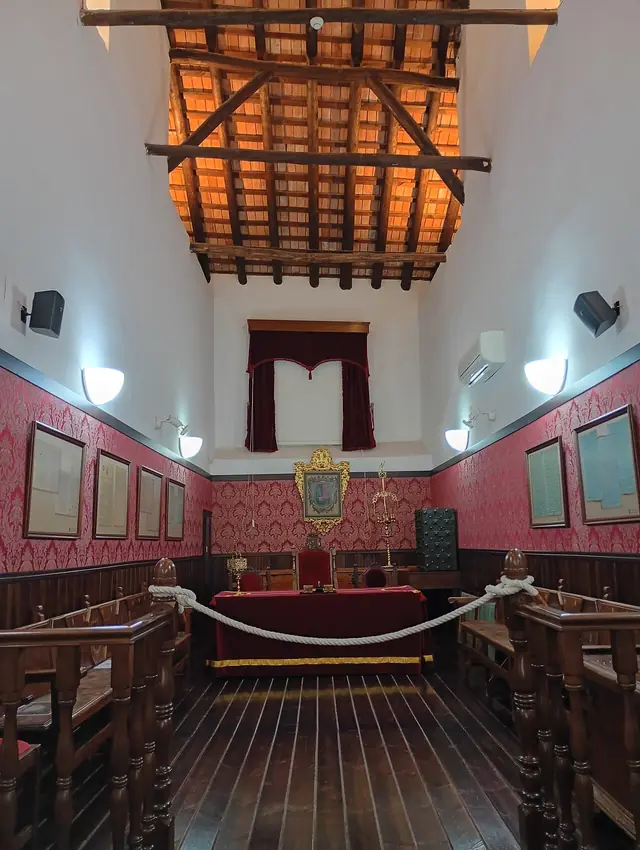
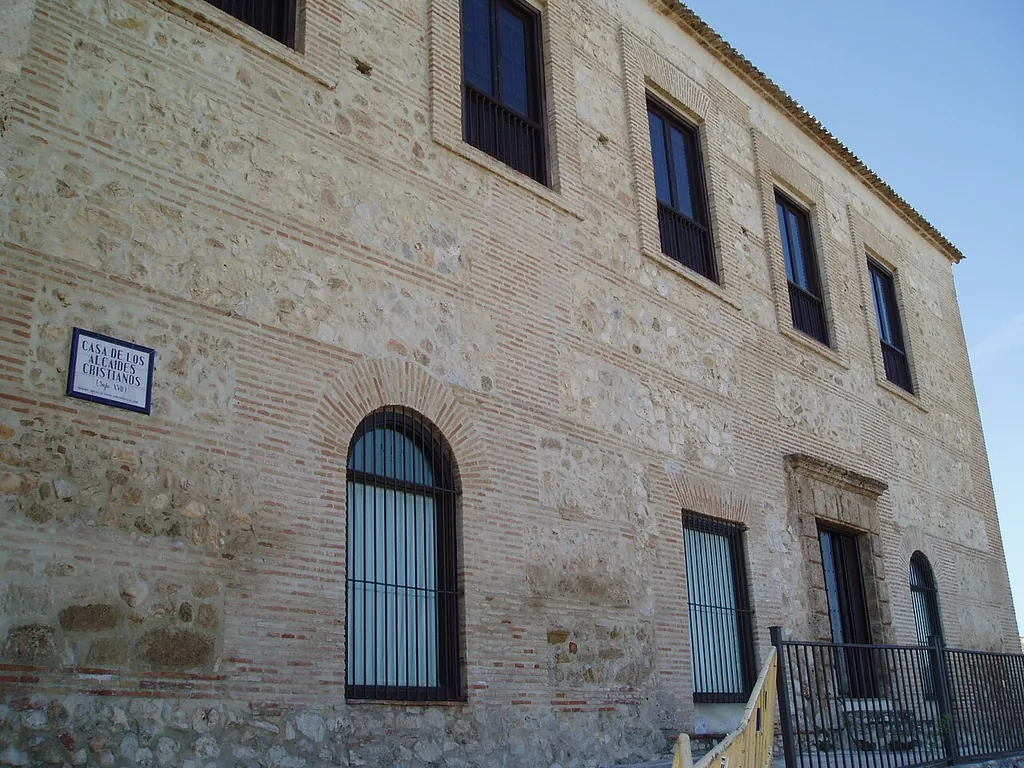
Municipal museum of Loja in the Caserón de los Alcaides Cristianos, within the Alcazaba enclosure, with documents, funerary objects and local art.
Have only individual sections read aloud
About the museum
Together with other towns of the Poniente granadino (western Granada), Loja formed the last frontier of al-Andalus. From that period the Alcazaba enclosure survives. It is a Bien de Interés Cultural and, together with the tower of the Iglesia Mayor de la Encarnación, is the most representative image of the town.
The Museo Histórico de la Alcazaba opened in February 2004. It occupies two large rooms of about 250 m² each in the Caserón de los Alcaides Cristianos, the former barracks of the fortress garrison. It presents the highlights of the municipality's holdings: sculptural and pictorial works, historical and heraldic pieces, palaeographic documents, objects from the Holy Week of Loja and funerary grave goods from the Iberian and Visigothic periods.
Highlights
- Caserón de los Alcaides Cristianos, former garrison of the Alcazaba
- Palaeographic documents
- Objects from the Holy Week of Loja
- Iberian and Visigothic funerary grave goods
- Sculptural, pictorial and heraldic pieces
Permanent exhibition
- Colección permanente del Museo Histórico de la Alcazaba – Two rooms with palaeographic documents, objects from the Holy Week of Loja, Iberian and Visigothic grave goods, and sculptural, pictorial and heraldic works.
- Founded
- 2004
- Operated by
- Ayuntamiento de Loja
Admission & discounts
Admission is free.
Free admission according to the Andalusian tourism portal.
Accessibility
The museum hasn’t published any information on this.
Kids & families
The museum hasn’t published any information on this.
Getting there & parking
The museum hasn’t published any information on this.
Amenities & dining
The museum hasn’t published any information on this.
Events & venue rental
The museum hasn’t published any information on this.
Plan your visit
| Good to know | Information and guided visits at the Centro de Interpretación Histórico de Loja (Plaza de la Constitución, s/n). |
|---|