Bjuvs gruvmuseum
Working-life museum in the engine house of Schakt III in Bjuv, about the coal-mining era, with a mine-gallery model, miners' homes and period settings.
Have only individual sections read aloud
About the museum
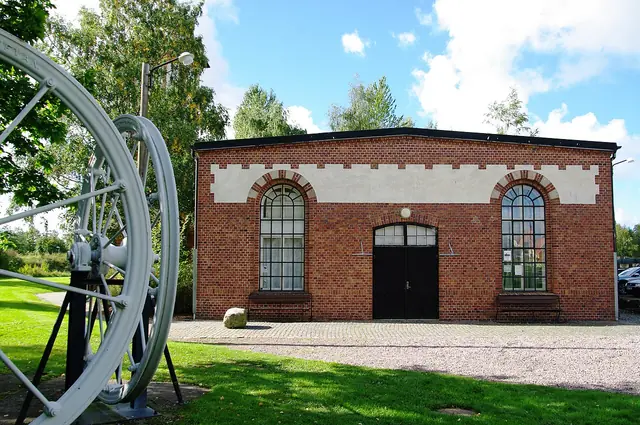
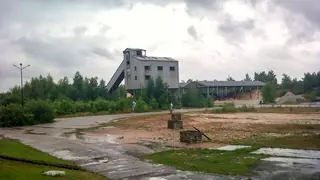
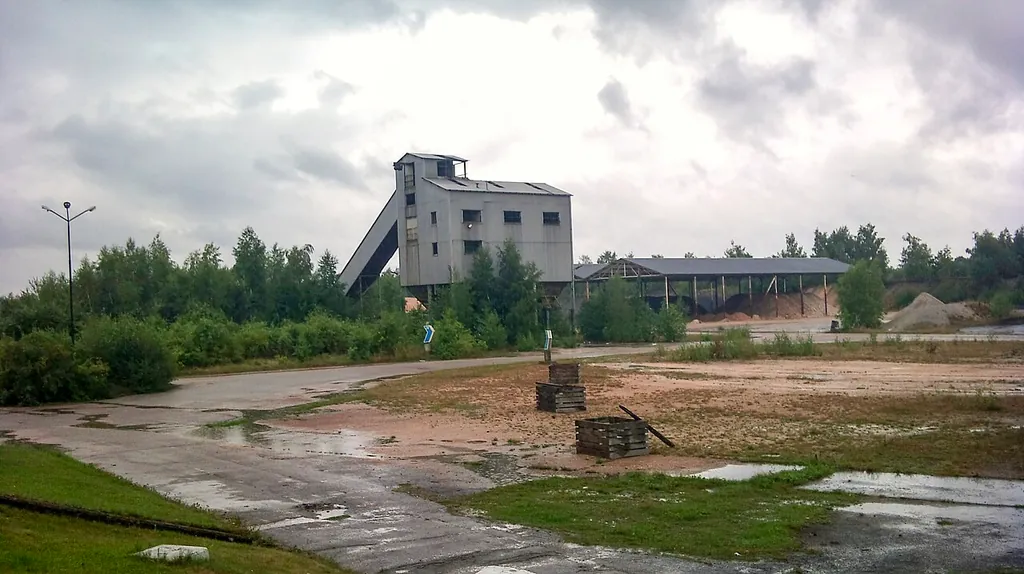
Bjuvs gruvmuseum is housed in the engine house above Schakt III on the old mining site in Bjuv. The mine was established in the 1870s in a coal-bearing formation that stretches from Ekeby and Billesholm to Höganäs, and Schakt III was sunk in 1894. Coal was hewn by hand in cramped workings until the work was mechanised in the 1920s. The last mine closed in 1979, and the shaft has since been backfilled.
The exhibition tells how the farming village of Bjuv was transformed into an industrial community during the era of coal and clay industries, and how the popular movements – the labour movement, the revivalist movement, the temperance movement and sport – took over the role of the farming community around the turn of the 20th century. The coal was mixed with clay, which was used to make refractory brick, and clinker from the Skrombergaverken in Ekeby is in the Sydney Opera House.
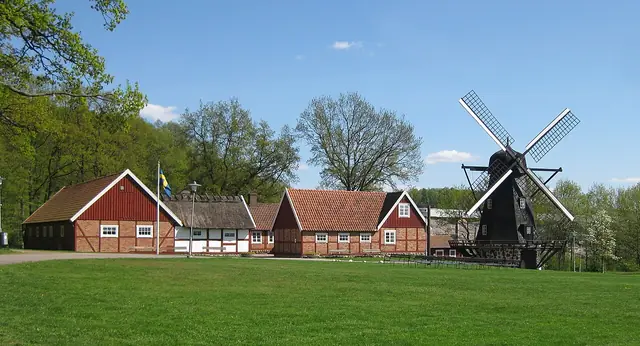
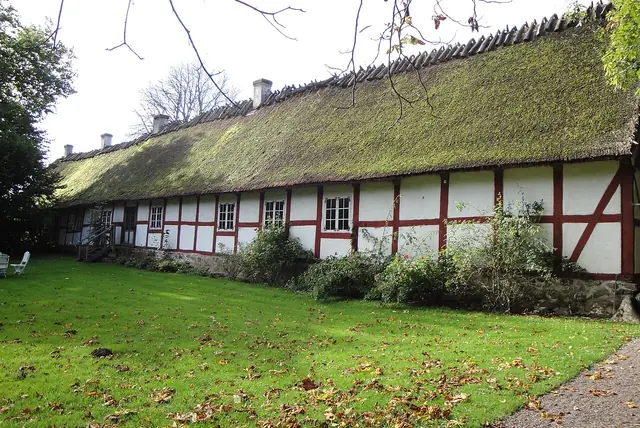
In addition to the engine hall, the museum has a full-scale model of a mine gallery with coal-hewers and haulers, a miner's home of one room and a kitchen, and period settings such as the old bathhouse in Ekeby and the people's park in Billesholm. Fossil finds from the mines, including the amphibian Gerrothorax, and dinosaur finds from the excavation at Billesholm in 2015–2022 tell of the landscape's primeval past.
Highlights
- The engine hall above Schakt III
- Full-scale model of a mine gallery with coal-hewers
- Miner's home of one room and kitchen from the turn of the 20th century
- Period settings, including the bathhouse in Ekeby and the people's park in Billesholm
- Fossil finds and the children's discovery trail with the dinosaur Kolix
Permanent exhibition
- Bjuvs framväxt – Exhibition on how the farming village became an industrial community, on the coal and clay industries, the popular movements and the period settings in the engine hall.
- Operated by
- Bjuvs kommun
Admission & discounts
| Groups | –Guided tour: minimum SEK 500 for 1–10 people, plus SEK 15 per person beyond that; invoiced. School classes and adult students within the municipality: free; from other municipalities SEK 400. The municipality's associations are offered one free guided tour per year. |
|---|
The admission fee outside regular opening hours is not stated on the municipality's website.
Accessibility
The museum hasn’t published any information on this.
Kids & families
Great for kids & families
- Activity booklet, scavenger hunt or kids’ audio guide
The children's discovery trail is a treasure hunt in which the dinosaur Kolix has lost its things; it can be done during the museum's opening hours (ask the staff about the Kolix assignment).
Getting there & parking
The museum hasn’t published any information on this.
Amenities & dining
The museum hasn’t published any information on this.
Events & venue rental
The museum hasn’t published any information on this.
Plan your visit
| Guided tours | yes |
|---|---|
| School programs | yes |
| Good to know | Guided tours can be booked all year round on +46 42 458 52 35 or info@bjuv.se. Directions: from Södra Storgatan in Bjuv turn into Schaktsgatan and then left onto Ågatan; where the road forks, keep to the right. |