Gålö hembygdsförenings museum
Local history museum at the farm Morarna on Gålö showing archipelago farming around 1900, open on Sundays in summer.
Have only individual sections read aloud
About the museum
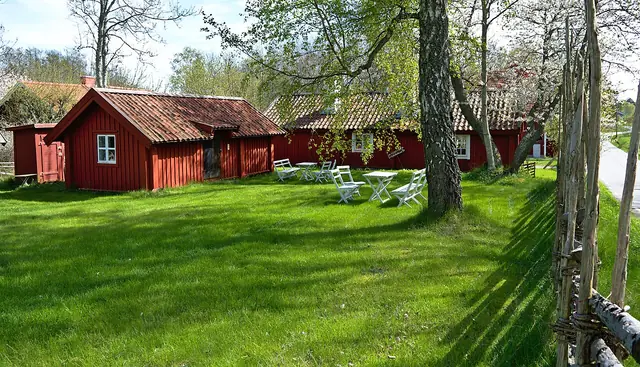
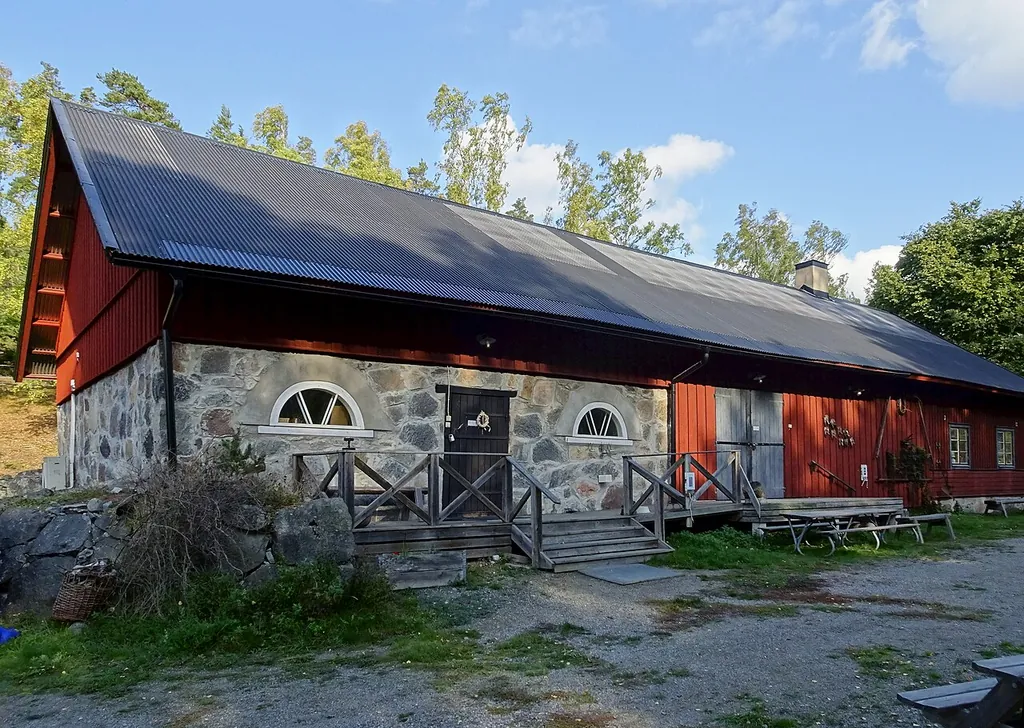
The museum is located at the farm Morarna on Gålö, where Gålö Gärsar Hembygdsförening (local heritage association) has its base. Here the association tries to recreate what life at Morarna was like about a hundred years ago. The tenant farming family also took in foster children from Prins Carls inrättning (Prince Carl's institution), so the cottage was crowded, with twelve people in total.
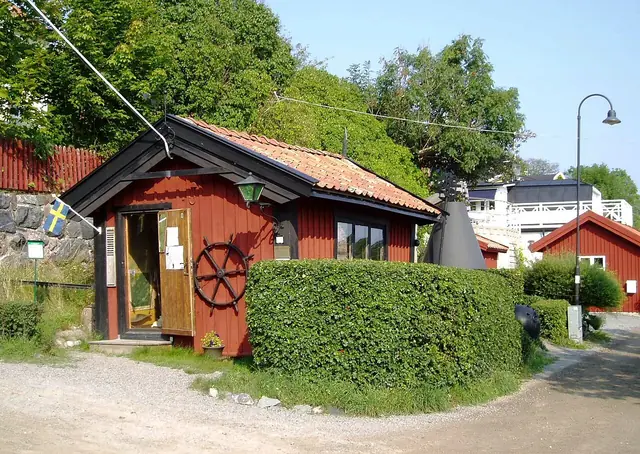
The museum shows fishing and farming tools, and the settings include a boathouse, a shoemaker's workshop and a joiner's shed alongside the living section with household goods. One room displays a panel exhibition about Gålö's history, and the upper floor has a textile section with a loom and a sewing machine. Visitors who had relatives among the foster children at Prins Carl's institution on Gålö from 1861 to 1939 can search the association's register.
Highlights
- Archipelago farming around 1900
- Boathouse, shoemaker's workshop and joiner's shed
- Fishing and farming tools
- Panel exhibition on Gålö's history
- Textile corner with a loom and sewing machine
Permanent exhibition
- Skärgårdsjordbruk 1900 – The museum recreates living conditions at Morarna about a hundred years ago, with the living quarters, boathouse, shoemaker's workshop and joiner's shed, plus fishing and farming tools.
- Operated by
- Gålö Gärsar Hembygdsförening
Admission & discounts
The museum hasn’t published any information on this.
Accessibility
The museum hasn’t published any information on this.
Kids & families
| Time needed | approx. 60 min |
|---|
Getting there & parking
The museum hasn’t published any information on this.
Amenities & dining
The museum hasn’t published any information on this.
Events & venue rental
The museum hasn’t published any information on this.
Plan your visit
| Guided tours | yes |
|---|---|
| Good to know | Visitors can take a guided tour with one of the association's members or find their own way round using QR codes and pictures. Most of the historical pictures have translations into German and English. Groups book through the association. |