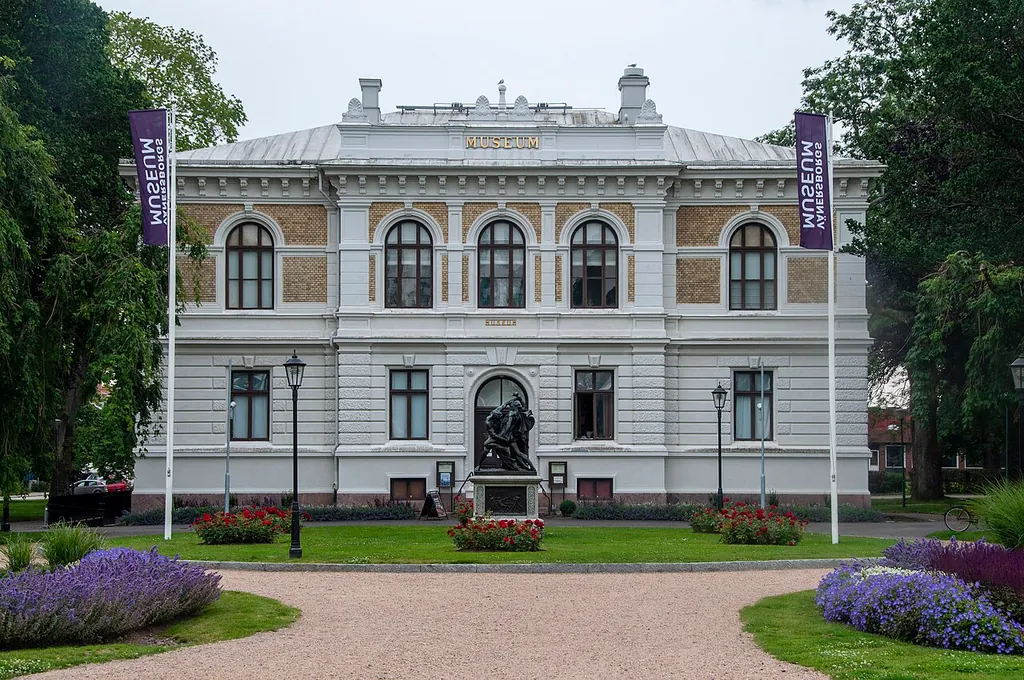
Vänersborgs museum
One of the country's oldest preserved museum settings, from 1885, with natural and cultural history collections, including African birds, Egyptian objects and the town of Brätte.
Have only individual sections read aloud
About the museum
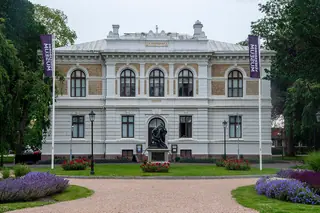
Vänersborgs museum has existed since 1885 and is regarded as one of the country's oldest preserved museum settings. The museum building was erected the same year to designs by the architect August Krüger, and both exterior and interior have remained almost unchanged since the 19th century. The initiator was the merchant Johan Adolf Andersohn, who wanted to bring the world to Vänersborg.
Like a national museum in miniature, the museum houses international collections of natural and cultural history from several parts of the world. Particularly well known is the unique collection of birds and mammals from Namibia, gathered by the zoologist and merchant Axel W Eriksson. The museum also shows archaeological objects from ancient Egypt, glass and ceramics, a permanent art exhibition with works from the 17th to the 19th centuries, Nordic animals from Vänersborgs läroverk (Vänersborg grammar school) and a comprehensive collection of seed samples of Swedish crop plants.
The house also contains an authentic caretaker's flat and a room with the original furniture from the poet Birger Sjöberg's study in Helsingborg. The museum's own history and its connection with the ideas and science of the 19th century are shown in a special exhibition, and the exhibition about Brätte tells the story of Vänersborg's predecessor. The museum is part of the Västra Götalandsregionens kulturförvaltning (Culture Administration of Västra Götaland Region).
Highlights
- Museum building from 1885 with preserved original interior
- The African bird hall (Afrikanska fågelsalen) with the Namibia collection
- The Egyptian Cabinet
- The exhibition Brätte – staden som försvann (Brätte, the town that disappeared)
- The Birger Sjöberg room and the caretaker's flat
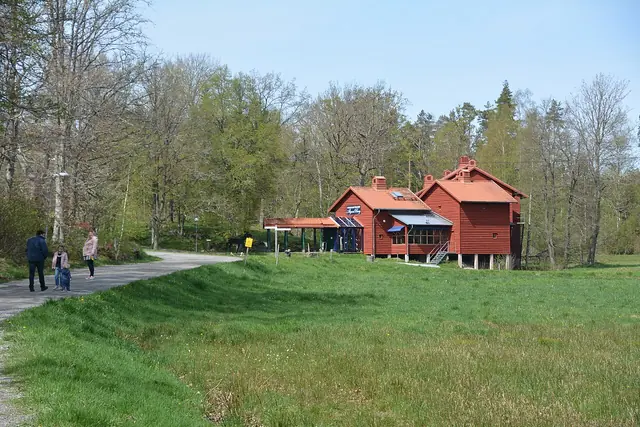
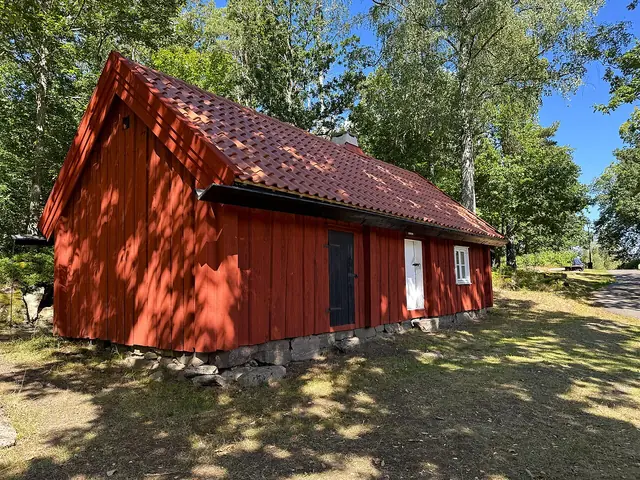
- Torpet, a play and learning environment for children
Permanent exhibitions
- Brätte – Staden som försvann – Vänersborgs föregångare – Exhibition on the medieval town of Brätte, which grew up at the Vassända market place, how people lived there and how the town was moved, with traces of the town that can be visited today.
- Tidsresan – en resa till 1800-talet – Introduction to the late 19th century, when the museum came into being, with a focus on industrialisation, urbanisation and emigration.
- Afrikanska fågelsalen – Collection of birds and mammals from Namibia, gathered by Axel W Eriksson, including flamingo, secretary bird and porcupine.
- Founded
- 1885
- Operated by
- Västra Götalandsregionen, Kulturförvaltningen
Admission & discounts
| Adults | SEK 70 |
|---|---|
| Children & teens | freefree up to age 19 · Everyone under 20 enters free. |
| Seniors | –Pensioners (aged 65) can buy a discounted annual pass for SEK 120 on presentation of ID; this also applies to early retirees. |
| Visitors with disabilities | freecompanion free · Companions have free admission on presentation of a companion card. |
| Students & apprentices | freeStudents have free admission on presentation of a student ID. |
| Annual pass | SEK 140Also valid at Forsviks bruk, Göteborgs naturhistoriska museum, Lödöse museum, Medicinhistoriska museet and Vitlycke museum during the calendar year. |
| Annual pass for pensioners | SEK 120Pensioners aged 65 and over and early retirees, on presentation of ID. |
Day ticket SEK 70. Free admission also for teachers accompanying pupils from pre-school to university, and for members of ICOM and Sveriges museer on presentation of a valid card.
Accessibility
- Partially wheelchair accessible
- Elevator
- Accessible restroom
- Accessible parking: no information
- Service dogs welcome
- Tactile models & exhibits: no information
- Sign language tours: no information
- Easy-to-read materials: no information
- Audio description: no information
Lift to the first and second floors and the basement; two smaller half-levels are reached only by stairs. The accessible entrance is at the back of the museum, where you ring the entry-phone. A large accessible toilet with a changing table is on the basement level of the lift building. Guide dogs and assistance dogs are welcome. More information is in the Tillgänglighetsdatabasen (Accessibility Database).
Kids & families
Great for kids & families
| Kids’ admission | free up to age 19 |
|---|
- Family tours & workshops
- Hands-on stations
- Stroller-friendly: not available
- Baby changing facilities
- Playground / play area
The Torpet is the museum's play and learning environment for children. For safety reasons, pushchairs may not be taken into the exhibitions; a limited number of places are available in the creative workshop. Children and young people under 20 enter free.
Getting there & parking
By public transit
Vallgatan
Train to Vänersborg station and transport hub; from there it is a walk along the canal and Kungsgatan past the church. The nearest bus stop is called Vallgatan.
By car
Free parking
Several car parks in the town centre, for example along Drottninggatan and Kungsgatan; parking is free, but a parking disc is required.
The museum is in central Vänersborg, behind the church in the Kulturaxeln, near the water tower. GPS coordinates: 58.38023, 12.32873.
Get directionsAmenities & dining
- Café: not available
- Restaurant: not available
- Museum shop
- Wi-Fi
Free wifi (network VGR Publikt). Eating and drinking are not allowed in the museum, nor is eating food brought from home. There is a museum shop. Larger bags and backpacks may not be brought in, and bags are not stored in the shop.
Events & venue rental
The museum hasn’t published any information on this.
Plan your visit
| Guided tours | yes |
|---|---|
| School programs | yes |
| Photography | Photography is permitted, but not with flash. |
| Good to know | Visits and school programmes are booked via the museum. Ice grips (broddar) and shoes with built-in ice grips may not be used in the museum because of the sensitive floors. Umbrellas may not be taken into the exhibitions. |